RecordingTranscript available293:01

Regular Meeting of the Board of Education - July 14, 2026
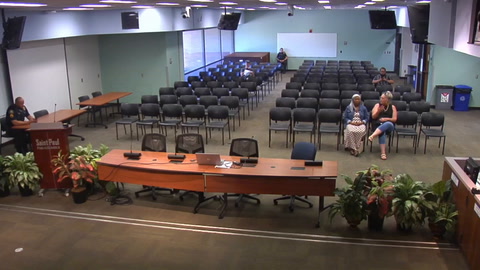
Saint Paul Public SchoolsTuesday, July 14, 2026
Watch on original source
Regular Meeting of the Board of Education - July 14, 2026

Document Analysis

Analyze the transcript to extract topics, key quotes, people, and more — then generate focused stories for any topic.

Transcript
For She can find you. And that's important. Yeah I Really. I That's I see. Reilly see her for from here I He for call impending all that comes later and you put me on that. So 34 we take 2. I OK And I'm sorry how are you? Like. I'll be right on. Yeah. That one I'm there I'm just doing a cookie dance. I don't want to tell. Yeah. Yeah. I Holy No I Oh. Just OK, no, I'm I'm fine. I just. What Mhm I I Click that you've done like. I I Yeah. OK Good evening and welcome to the July 14, 2026 regular meeting of the Board of Education The time is 5:31 p.m. As a reminder, public comment will follow the approval of the main agenda, and there will be a 45 minute total time allotted for public comment. Members wishing to speak may visit the public comment section of the Board of Education website for more information at 651-77814. 5:30 p.m. For Just going to monitor here. Director. V Director Henderson here and Director Ward here. Next, I move to approve the order of the main agenda. Is there a second? 2 seconded by. for discussion. Vote, please. Yes. Doctor Yes Yes. Director Franco Yes, Director Valiant, yes Doctor Henderson, yes, and Director Ward. Yes, the motion passes unanimously. Next on the agenda is public comment, and I'll turn it over to Vice Chair Valiant Good Public comment is one where community members can bring issues to the attention of the Board of Education. All speakers are asked to sign in, in the sign-in log and complete a brief sign-in form on the table. You can sign in ahead of time by calling the board secretary or online at the Board of Education website. Public comment sign in. And at 5:30 and it is after 5:30, so it has ended. Individuals will be allotted 3 or 2 minutes tonight during our 45 minute public comment session this evening. Speakers will be called in the following order students, speakers referencing an agenda-related item, and then others in the order of names received. With preference given to those who have not spoken in the past 3 months Those who have signed up prior to the meeting but did not check in at the table at or before 5:30 will be called. The list of speakers who signed in, time permitted. Each presentation will be timed and the black box at the podium will beep and show an amber light when one minute is left and a red light will show when time is up. When time is up, speakers are asked to complete their statement. After that time the microphone will be muted. Wilson remarks may be left with Miss Payne and will be shared with board members. Speakers are advised that any complaint or issue related to personnel must be made in writing For your own legal protection. The rights of staff please do not include identifiers of Saint Paul Public school employees, such as names, job titles, graces talk. location. Although it's difficult to do that when you are sharing, please make a good fake attempt The board values this time to listen to members of our community and encourages a respectful engagement from speakers and audience members. In the absence of respectful engagement from the speaker, their speaking time will be forfeited. In the absence of respectful engagement from audience members, individuals may be asked to leave the room. Or the chair may call a recess. To make it easier for us to hear, we ask all gathered here to remain quiet during the speaker's remarks. When it is your turn to speak, please begin by stating your name. No additional information is necessary. The time is now 5:35. You said 14 minutes Did you say which one it is? It is 3 minutes. We will have 3 minutes allotted per speaker tonight. The time is now. No, I don't know what time it is. What time is it? That time is still 5:35. 45 minutes allowed for public comment. I will be calling 5 speakers at a time, up to 5 speakers at a time. Your name is called please begin to make your way to the podium. And with that, I welcome Terry Ross. OK, are you sure? Well It's What Thank you, right here, Mr. Ross. It Hi, I'm Terry Ross, and um I just want to speak on transportation behalf, but. Y'all ain't said nothing about it yet so. I know it's gonna be called right away before we even discuss anything so I'm good. I love you though what's up booster. I I'm yes. I Concludes public homework Thank you to all who spoke this evening. Community members can reach out to the board by email at SB I need to skip on. Got some more? OK. That does not conclude. We have 2 more speakers, please step up Thank you. Lanea Soby, and I'm here today to talk about my deepest concern and disappointment. Of the situation of EL students at our center, uh, school high school program. Friday June 26th, 3 EL teachers lost their summer school jobs. As we already know this year has brought immeasurable trauma and pain to our entire community. ELL students who are losing friends. students E consequences. Despite this turn students are doing their part to make up for lost time in one small way through summer school. Teachers have been cut. Are we willing to sacrifice to trust our community's happiness, especially given our shared concerns? Do Words to say that we aim to inspire students to think critically, pursue our dreams, and change the world while our actions. vulnerable they are. worthy of assistance. school, the plan is to cut our EL classes in this new plan, EL students. receive the support Professor this year EL students. facing a stark difference between their provided support. subjects I would also like cut school. No. unnecessary discord between the districts. To distribute amongst all of its schools So difficult choices must be made, but especially given the context of recent events, why is the first option always be to cut staff who are sacrificing retirement in order to help one of our most vulnerable populations? How can we use our mouth to speak. The horizon surge. retracting promised assistance to that same community. Students, as do I, which is why I will always advocate for. OK. This time That really concludes public comment. Thank you to all who spoke this evening. Community members can reach out to the board by email at sbmembers@sPPs.org. Contact information for individual board members can be found on the Board of Education website. Thank you, and I will pass it back over to Chair. Thank you, Vice Chair. Of the consent agenda, I move to approve the order of the consent agenda with these items pulled for separate consideration. 2. Request for permission to submit multiple grants to the 3M Foundation's STEM Programming and literacy grant program and 5G middle school athletic registration fees. Is there a second? Second, Seconded by Director Franco. Comments for discussion. Vote please. Director Lowe, yes, Director Allen, yes, Director Carrillo, yes, Director Franco, yes, Director Valiant yes, Director Henderson, yes, and Director Warren yes. Motion passes unanimously. Next, I move to approve the minutes of these meetings. Minutes of the regular meeting of the Board of Education June 23, 2026. Minutes of the special meeting of the Board of Education June 25, 2026. Minutes of the special meeting of the Board of Education June 30, 2026. Is there a second? Second seconded by Director Alan comes to discussion. Vote please. Director Lowe, yes. Director Allen, yes. Director Cadilo, yes. Director Franco, yes. Director Valiant yes. Director Henderson, yes, and Director Wart, yes motion passes unanimously. Next on Legion is the future meeting schedule. The future meeting schedule can be found online at www.sPPs.org/BOE. 651-767-8149. On Wednesday, October 5, 2026, beginning at 4:30 p.m. as a reminder, this meeting is held on a Wednesday due to national night out and primary elections. The next. Held on Tuesday, August 18th, 2026, beginning at 5:30 p.m., typically in the summer, the board also approves the next year of board meeting dates so they can be scheduled on the calendar. These dates are also reviewed and confirmed at the annual meeting in January. I move to approve. Meetings for 2027. Regular meetings which are scheduled for 5:30 p.m., rooms A and B unless otherwise noted. January 5, 2027. All these other dates are also in 2027. January 19, February 16, March 16, April 20, May 18, June 15, June 22, June 13, August 17, September 21, October 19, November 16, December 7. Uh, which is the Truth and, and there will also be the Truth and Truth and Taxation hearing at 6 p.m. and then December 14th. Committee of the board meetings, which are scheduled for 4:30 p.m. in conference room 5A unless otherwise noted, also these, all of these dates are also in 2027 January 5 February 2 March 2, April 13, May 4, June 15, August 4, September 14, August, oh sorry, October 5 November 3, and December 7. Is there a second? Second, seconded by Director Franco, comments or discussion. Vote please Director Lowe. Yes. Director Allen. Yes, Director Cardillo. Yes, Director Franco, yes, Director Valiant OK, so I thought I heard, I'm not sure if I heard 2025 or 2027, so can we just 2027. Yes. thing. Director Henderson, yes, and Director Ward, yes, motion passes unanimously. Did I say 2025 at some point? You did but you now clarified it. Oh, OK. Well, OK, all those dates were in 2027. We are not, uh, scheduling dates in the past. Thank you. Motion passes unanimously Next we'll move on to our superintendent's announcements I'll turn it over to you, Doctor Stanley. So, um, well most individuals see, um, summertime is the time to step away. Relax and take a break. Uh, we actually have 13,000 students who are still in school all summer long. And so. One of the things I'm grateful for is that we have air-conditioned buildings, and that is where our students have been during these hot, hot times. They are involved in so many different activities um, including, uh, STEM activities, reading activities uh, they're going on field trips, you know, really expanding their experiences. So, uh, really excited about. opportunities that really help to Was eliminate gaps. Um, that we're working on with our programming and so thank you to everyone who is serving in summer school to support our students. I also want to take time to, um, introduce to you our new senior executive officer of school leadership and school operations um, Toya Pryor. She's over there on the end there She raised her hand, um. Really excited for Latoya to join us. She is actually joining us, um, most recently from a district, um. Illinois, where she was the executive director of Culture and Climate, she has, um, experiences as principal. She has, uh, experiences, uh, across many areas. She was a special education, uh, supervisor and so we're just delighted for the, um, just the skill set that she's bringing to the team. So welcome And that will conclude my announcements. Does anyone have any questions or comments? Great. Yeah. It's OK, yeah, go ahead. Is your. OK Yes. Welcome, senior executive Officer of School Leadership and Operations Tony Pryor. We're very happy to have you here. And also, my kids were having a blast at summer school Do credit to cover. He's happy he's done, and thank you for that. But, uh, my other son is enjoying the summer quest and my younger two are really enjoying freedom school. So yeah. Great. Any other questions or comments? Uh, next we'll move on to, uh, agenda items that require board action beginning with the approval of the consent agenda. I move to approve all items within the consent agenda with these items pulled for separate consideration. Uh, 2C request for permission to submit multiple grants to the 3M Foundation STEM programming and literacy grant Program and 5G middle school athletics registration fees. Is there a second? Second. Right. Seconded by Director of CRO, comments or discussion. Say please. Director Lowe, yes, Director Ellen, yes, Director Cadio, yes Dictor Franco. Yeah, yes. Director Valiant, yes, Director Henderson, yes, and Director Ward, yes. A motion passes unanimously. So Director Franco passed me a note. You know, uh, I think we have some of our bus drivers here today. Is that right? Could y'all wave? Um, I believe that when we pres uh approved the consent agenda, that's when we approved the contract, so that was, that was us doing that. So thank you all so much for, for being here. That Alright, next we'll move on to the separate discussion for item 2C, and I'll turn it over to Director Franco. Yes, as in last month uh, similar this month, I have pulled this item because there's a reference to, uh, my employer, the city of Saint Paul, right track, in one of the grant applications and so I am gonna be abstaining from that discussion and vote. Great. Are there any questions, additional questions or comments from board members? I move the Board of Education authorize the superintendent or designee to submit a grant to the 3M Foundation STEM programming and literacy grant program to accept funds if awarded and implement the project as specified in the award documents. Is there a second? 2, seconded by Vice Sheriff Valiant. Comments or discussion. But pleaserector Lowe. Yes, Doctor Allen, yes. Director Cadillo, yes. Doctor Franco Epstein. Director Valiant yes. Director Henderson, yes. And Director Ward, yes Motion passes with 6 yeses and 1 abstention. Next we'll move on to a separate discussion for item 5G and this item was pulled because it was a late addition to the consent agenda, and I will turn it over to Superintendent Stanley. Thank you. I'm looking to see if Director of athletics Andrew Schmidt is downstairs yet. OK Should we come back to that? Sure. Do you want, um, we can table this until later, I believe Looking over here at the general counsel who sort of acts as a parliamentarian. Do we have to, uh, table it to a specific time on the agenda, or can we specify that we table it until she gets down here? OK, um now I move to table this item. Um, until the, uh, designated expert arrives to help guide the conversation, is there a second? Second, seconded by Director Henderson comments or discussion. No please. Director Lowe, Director Allen, yes, Director Cadillo, yes, Doctor Franco. Yes Director Valiant, yes. Director Henderson, yes, and Director Ward, yes, that motion passes unanimously Next we move on to the policy update with the third readings of the following policies. Policy 602.00 curriculum instruction 102 and accountability. Policy 602.01 inclusive and equitable education. Uh, policy 607.00 selection and adoption of instructional materials rescission of policy 607.01 textbook selection and adoption. Um, Doctor Stanley. Great, I am, uh, pleased to introduce, actually a new executive director of teaching and learning, Rachel Taylor, inviting her to come up. Welcome. Uh, Rachel and Terry Brash are going to take us to that 3rd reading of these policies Good evening. Board Chairward, members of the board Superintendent Doctor Stanley. I am thrilled and honored to be here with you tonight and have had an amazing welcome into Saint Paul Public Schools. And as was stated, we are here to bring the 3rd readings of important policies related to the Office of Ting and reading to you tonight. Also is Tara Brash, assistant director of the Office of Teaching and Learning, and she is here tonight. She just completed her superintendent licenser and is working with Craig Anderson on these policies. So we will be co-presenting the scene. The first reading of these policies occurred at the committee of the board on June 9, 2026, and the second reading was presented at the June 23rd Board of Education meeting. These policies are really important for the Office of Teaching and Learning as they help us shape the supports and structures that we deliver so that staff can do the very best they can for children every day. I'm sorry, uh, we're having some significant audio issues. I'm not sure if it helps to, to work on those before we continue because I, I can see people like putting their fingers in their ears. And I've heard that people are having trouble hearing at home so I, I guess I'll look over to anyone who knows how the audio system works better than I do. Do we need to ut while it's being worked on? We're working on it. They're working on it. Do we need to pause while it's being worked on? No, no, you can hear. It's the audio's just a, a little, uh, tiny bit distorted, but it, it should be fine. Are you able to hear me, Lord Chelwood? You can. It's. Testing. Flower Hm. OK. Would you like me to rephrase anything or are we OK? OK OK, thank you. So beginning tonight, Tara will take us through the first two policies that we'll be asking for your approval for. Thank you. We need Good evening Chair War, members of the board, Superintendent Doctor Stanley. Uh, with this being the 3rd reading, and having no recommended changes from the 2nd reading that occurred during the June 23rd reading, we are going to walk you through the slides with a brief summary of the changes and close with asking approval of these policy changes. So, thank you. We begin with uh, the. Of 602 curriculum instruction and accountability In order to maintain consistency across policies, we added policy purpose section. Oh, you got it good perfect. And and then also we added a statement of the policy section again to maintain that consistency Then we updated definitions of curriculum instruction We appreciate the additional definition of assessment to highlight the importance of providing students with feedback and progress. Revise the format of the standards of accountability with specific attention to stakeholder engagement. And district curriculum advisory Committee. To assure accountability with measuring progress, we added a continuous improvement Evaluation into the policy. That's fine. And then this one the next one. No. So then we also revised format. Updated language, um, the curriculum development and instructional standards related to continuous improvement, instructional quality standards, and monitoring student learning. Next one. OK And then we revised um. Of an updated language of the selection and review materials with professional review process community input, and request for review of reconsideration one. Still on policy 602, we revised the format and also updated language related to our selection and review of materials and outline processes for community Input and then request for review for consideration OK. So, um, our recommendation is that the Board of Education approved the proposed revisions of Policy 602 curriculum instruction at. At today, June 14, 2026 Board of Education meeting that this be considered the third and final reading of the three-reading process Are there any questions or comments from board members Right, see, I move that the Board of Education approve the proposed revisions of the policy 602.00 curriculum instruction and accountability at the July 14, 2026 Board of Education meeting, the one that we're at right now, and let this be, this, this be considered the third and final reading of the three reading process Is there a second? Second, seconded by Director Lowe Comments or discussion, but please. Director Lowe yes, Director Allen, yes. Director Cadillo, yes. Director Franco, yes. Director Valiant, yes. Director Henderson yes, and Director Ward, yes, that motion passes unanimously Thank you. All right, moving on to policy 6021, inclusive and equitable education. So it Utmost priority to focus on every student experiencing an inclusive and equitable. Experience within Saint Paul Public Schools To focus the intent of policy 60201, we added policy purpose and a statement policy again to continue consistency Which outlines our standards for implementation and the expectation of providing a multicultural curriculum culturally responsive gender inclusive discipline And linguistically affirming curriculum, environment and educational experience. OTL provides instructional resources which honor, celebrate, recognize, and reflect contributions and perspectives of individuals from diverse backgrounds. Continuing on this, on the assurance of utilizing culturally and linguistically responsive practices and valuing lived experiences and all identities in the learning process. Additionally, we highlight the importance of preparing students to live, learn Survive in an interconnected, interdependent world We include the essential, we included the essential practice of providing professional. Support for all staff so that they have the skills and knowledge they need to provide an inclusive and equitable learning experience every day. We analyze the progress and performance of inclusive and equitable practices with intentional focus in our continuous improvement framework and accountability measures. So, our recommendation is that the Board of Education approved, proposed revisions of policy 60201 inclusive and Education at today's meeting, July 14th, 2026 to be considered that this is the And final reading of the 3 reading process. Are there any questions from board members Questions or comments, uh, Vice Chair Valiant. Mm My question is. My question is. Which one is that like? Um, I guess my first question, It's reference to like our Students who past or in between. Um, 12 and some of our our alternative sites. Um, so I'm wondering if. If that's in the, I don't know, maybe it's in a different policy, but I'm missing one because we talked about all students. But then on the next page, we kind of only talk about reference pre-K through 12. So I guess my question is, um, where do, where are we? You know, as far as policy is concerned, are we capturing our accountability to our other students Maybe not. I mean, we also do have adult students maybe that's a a different policy, but that's my question in general. Thank you for that question. That's incredibly important. In the policy, the way I assume being new is that students refer to every student that we serve in the district. There are other policies that would relate specifically to alternative education or other learning programs, um, but I see this as inclusive of every single student we serve. But if the board would like to consider language. That would include specificity of students. That would be an option. Yeah I think on page 124 under instructional quality standards it says provide clear and articulated learning experiences across pre-kindergarten through. Since it's specified through grade 12 right there, um. I guess that's kind of where my question came from because I know we want to have instructional quality standards across all of our programming from pre-K actually from ECFE all the way up to our adult learners. So absolutely, equity and excellence for every single learner. Yeah. So then, do we want to consider proposing a specific language to, to amend this or are we asking for, for an updated version to be brought back to us whenever we reconvene at the following BOE meeting? Oh If we were to add, you're talking 18 to 22, right? Stents in 18 to 22 programming. And ECFE. So if we were to add those two items, you know, like with a semicolon before pre-K it would be ECFE and then after grade 12. Semicolon students in the 18 to 22 programming with that, um. And our adult learner learners as well as we have our help center. Would it, would it be easier just to say for all students? Uh, that will work. To enumerate everyone, just say all. I'll be happy with that. I. OK, um. Can I, can I, can I borrow this for the purpose of making a motion? OK, um, does anyone else have any other potential changes, amendments because I'm gonna make a motion to try to incorporate this change. Um. For you. OK, so I move that the Board of Education and we'll still have a chance to discuss this. I move the Board of Education approved, uh, the proposed revisions of policy 602.01 inclusive and equitable education with the additional amendment that section 52.2 be amended to say provide clear and articulated learning expectations for all students And that this be considered the 3rd and final reading of the 3 reading process. Is there a 2nd to that motion 2nd, seconded by Vice Chair Valiant. Any comments or discussion? OK. Oh please. Director Lowe, Director Alan, yes, Director Carillo, yes. Director Franco Director Valiant, and Director Henderson, Director Ward. Yes, the motion passes, uh, unanimously. Um I did just, uh, a few minutes ago hear from our superintendent that the item that we had tabled, item 5G from the consent agenda is gonna need to be, uh, tabled into a subsequent meeting. So I'm gonna go ahead and make that motion now so we can go ahead and not, not forget about that. Um, I move that item 5G be tabled until the, um, the August Board of Education meeting. Is there a second? Second, seconded by Director Carrillo commas or discussion. But please, sorry, I do have a comment for discussion possibly, so I guess. That this feedback is really bad. But I, um, just wanted to maybe ask, is this going to impact our ability to possibly implement these changes for fall sports And if so, is this a discussion that we could Could and should possibly have looking to my colleagues of like opposition to what's come before us now, um and or if we really think it's important that we get the feedback, happy to, but I'm just curious if this is going to impact operations at all by moving it to August meeting. I did check in on that, and it won't it. There's an emergency. And so I did check in on that and it will not impact operations. Now having said that, if there's a conversation that wants to be had at COB or something where there are questions we could certainly bring that to COB first before we bring that to BOE in August. Great. I guess I was just um wanting to make sure that like we could forego conversation and possibly just discuss it with what's in front of us, if that were going to impact operations for August, but hearing that it shouldn't, and I think moving into August makes sense. So, thank you. Great the motion has been made and seconded, is there any additional uh question or comment related to that motion, which is to table item 5G to the August BOE meeting. OK, saying none, uh, vote please. Director Lowe, Director Alan, yes, Director Carrillo, yes. Director Franco, Director Valiant, yes, Director Henderson yes, and Director Ward, yes, the motion passes unanimously Uh, thank you. I believe that next we're on to policy 607. Thank you again. Board chair War, members of the board, Superintendent Doctor Stanley. Moving on to the third policy and third reading of 607, selection and adoption of instructional materials. This policy was revised and updated. To include a general statement of the policy and purpose outlining the direction that the school board does retain the final authority to approve all curricular material, um, recommendations that may come before you. With this, the selection includes a balance of the superintendent, creating a designee to lead the process and select opportunities for curriculum to be brought and reviewed by the community by staff, um, and by parents and students. So with this review of the processes, we would ask that you look to approve the 3rd and final reading of Policy 607, selection and adoption of instructional materials Right. Questions or comments from board members. Hm Questions or comments. I'm seeing some potential comment Trying to figure out if it's an actual comment. I can, I can deal with this later. OK. Any other questions or comments? All right, seeing no vote, please. Wait no, I haven't made the motion yet, have I? Oh jeez All right, I move the Board of Education to approve the proposed revisions of Policy 607.00 selection and adoption of instructional materials at this meeting and that this be considered the third and final reading of the three reading process. Is there a second? Second seconded by Director Carrillo comments or discussion Saying none, vote please. Director Lowe, yes, Director Alan, yes, Director Cadilo, yes. Director Franco, yes Director Valiant, yes, Director Henderson, yes, and Director Ward, yes, motion passes unanimously. Next up is 607.01. Thank you. For the third reading this evening with textbook selection and adoption policy 6071, we are asking for the rescission of this policy as it was incorporated and merged into 607 and parts of 602. So with this, we ask for your approval of the rescission of this policy. Questions or comments from board members? OK, actually remembering to make the motion this time. I move the Board of Education approve the proposed rescission of policy 607.01 textbook selection and adoption, and that this be considered the third and final reading of the three reading process Is there a second? Second, seconded by Director Henderson comments or discussion. But please. Director Lowe Director Alan, yes, Director Carrillo, yes, Director Franco, yes, Director Valiant, yes, Director Henderson yes, and Director Ward, yes, motion passes unanimously Thank you all so much. Thank you very much. Next, we'll move on to the facility's 5-year plan, and I'll turn it back over to Superintendent Stanley. Thank you very much, chair. So I'm going to introduce and invite up. t Uh, Jackie Turner, senior executive Officer of Operations, Kathy Wallace, interim director of facilities. It always says interim, but I'm like, it's been a long interim. And Jonathan Pettigrew, manager of facility planning, for them to give an extensive overview of where we're at with our five-year facilities plan. Union chair board, superintendent members of the board. Um, we are planning to spend, um, some time this evening on giving an update on the close-out of the keyboard resolution resolution, um, And uh have you take action on the SPPS builds 5 year plan as well as um the LTFM plan that will be following this presentation. We, um, talked about this at an earlier, um, committee of the board. So really, this is just a repeat and an official notice that there uh, we don't believe there will be another reason to come back to the board to close out the Duke resolution Um, it was the board voted to, um, Move forward, that the new pre-K8 building be embedded into the five-year plan, and that has been done. Um, the board gave instructions to add additional specialists to the upcoming school year for the 58 program at the upper. In fact, that has been done as well as in all the other 58 programs in the district. And the third, um, The recommendation within the resolution was to look at cafeteria space and the bussing as well as assembly space. And you may recall from the committee of the board meeting that we are modifying the cafeteria to allow for some more efficiency in that space and to give a little bit more capacity. That's work is being done in the summer and we'll be ready to go and. Welcoming students back. We implemented the bussing. Concerns actually in April, um, as soon as we heard those. And then the assembly space, that is something that will continue to be worked on with um Principal Zhang and her community So this time, um, the resolution for the board, um that took place on December 18, 2025, we will consider that, um, complete. Now I'll go into um. Just to give an overview of how we are seeing the um facilities master plan, here, it's showing you that um the facilities master plan is always intentionally done to align with the strategic plan. So our facilities master plan, the FMP 1.0, was intentionally designed to um incorporate around SVBS Chiefs, which was our um plan that we have been under, our strategic plan that we've been under. We're shortly to adopt a new Strategic plan, known as SPBS 2033, and we are modifying, intentionally modifying the facilities master plan 2.0 to align excuse me, with the um S&P 2.0. Think of the FMP as an overall umbrella for facilities, and embedded with that is the five-year plan that we refer to as S&PS build. That is a Goals and strategies of how we're gonna, thank you, how we're gonna implement um the facilities master plan. We come to you that annually for your review and approval, and that's what we're doing this evening. And the long-term facilities maintenance plan is support. It's maintenance. It's the resources and money and staffing that we spend and plan that we send to maintain our buildings. Um, and that will come before you as well this evening, and that's reviewed annually, and that's how they all work together. We um So the purpose of tonight will really be able to give you an update on what has happened over the last 5 years, and then really project into what's gonna happen over the next 5 years. With the SPBS bill's 2731. And I'll turn it over to um interim director Kathy Wallace. Thanks. As part of the FMP a work group um, Of community members worked 10 years ago to help identify priorities to guide the facility developments that get included in a 5-year plan every year. The framework that came came out includes um. Criteria based on a scoring system that involves petals and the circle score, you probably recognize these, the petals, as you know, include um factors like uh growth The quality of learning spaces, the core space, and its quality within buildings, main entries, and building condition. When we think about building condition it's primarily the physical infrastructure, what keeps learning warm, safe, and dry fundamentals, but while many of those, many of the Projects that come out of that are really urgent and obvious. We also try to stay ahead of improvements that will need, need to be made, which is why we have a significant roof roofing program, for example. When we think about educational alignment of our school buildings, um a number of these pedals incorporate that, those measures core spaces, um, includes gyms, cafeterias, libraries Um, and learning spaces is appropriate space for, uh 21st century learning. And generally, we're trying to reach the facility standards that were identified in that FMP 2016 planning. And the circle score brings those six petals together into a single rating that indicates the the level of need or the priority for action at a given set. And the larger that circle the more significant the need. Finally Um, something we're going to speak to later in the presentation is the use utilization, which is a report we do every 2 years looking at enrollment as a percentage of capacity Um, and overall, as this reports, the rate across the district is from 25, 24, 25 school year is. 74% and we'll talk further about that. The beauty of the criteria for prioritization is that it allows us to update needs on a regular basis as they come up, but as we understand, you know, what happens from year to year, and it makes the master plan not a static but a living plan. Now, that said, we may be creating a changing these criteria, we expect to be changing these criteria with the next FMP associated with the new strategic plan. As promised, before we look at this year's five-year plan, we're gonna do an update and Had Immediately agree with my boss, but she said the last 5 years, and I'm just gonna talk about the last year. So the major projects that closed out this year or are in the process of doing the final financial closeout include Hidden River Middle School, which as you know, is a major remodel with a small addition that opened uh fall of 2020 that opened January of 2026. Um, features, we touched every, every space in the building in some way, and the big features include instructional areas, remodeling for grade level. Um, a new kitchen, a transformed media center and a new secure entry on Summit Avenue. Also, envelope improvements paired with ground source heating and cooling give us much better um energy efficiency for the building. At Barack and Michelle Obama, the Bontessori program from JJ Hill moved over and a middle school was started in fall of 25. And that project supports those two programs by Um, I'll start with the exterior by transforming what used to be an entirely blacktoped backyard, still used as a front entrance for those coming off of. Uh, from their parents' cars being dropped off into what is really a very nice yard, front yard approach. And uh student outdoor learning spaces including the plant and beds on the left hand at top and then two other spaces that really speak to some of the transformations that we are incorporating in schools are commons areas, uh, on the left for the middle school, which provides a flexible space for student, um, the also important socializing done in middle school, as well as collaborative learning, and then on the right, movement for the Montessori program and gathering. In what used to be a jail At Highland Park Middle School, um, more, more kind of specific improvements connected with prior. Ventilation improvements and through. ARP funding, we had an addition renovation that provided new entry in office, secure, um, expanded uh classrooms on the, where the office used to be and then major, major improvements to the cafeteria and kitchen that are shared between the high school and the middle school, as well as a link that allows for separate and secure separation securely between the middle school and the high school as they use that shared cafeteria. Finally, Bruce Bento is the other major project, and many of you have toured that building and know that it's um it includes lots of things including an early childhood wing. It's represented here by the exterior and also the inclusive toilet The other thing important is that over the spring and then coming. Being powered up this summer is solar power there, and you can also see on the bottom the work happening this summer now that the old building is demolished, the parking lot could be removed since school is out and playground equipment is up, they'll be coming back for the playground surface, and the grading, including some retaining walls, as well as play areas and landscaping happen the rest of the summer. At this point, I'd like to introduce Jonathan Pettigrew, the manager of Facility Planning. Thank you, Cassie. Um, Through the chair, to directors, uh Doctor Stanley. Um, yes, as Kathy said, I'm Jonathan Pettigrew, manager of facility planning, and I'm going to carry on with a bit of a recap of some ongoing projects. As you can see, we've got images showing Mechanical plumbing systems. Being replaced. Cherokee Heights is moving into its 2nd phase, um, and, uh will be completed this summer where we've got, uh remodeling and again, more. ventilation, um, system uh, work. Uh, similarly, Farnsworth and that is in its second phase and wrapping up this summer. The Heights begins with uh another one of these infrastructure HVAC type projects, um, and that will be, uh, over the course of two summers, um, finishing up for school year 27. Humboldt has some of its mechanical system being replaced. And at Maxfield, we're wrapping up work on the site and the school yard and the parking lot there that's very nice ribbon cutting a year ago but there's Finish SPPS Is steadily Working to increase the areas of our school and other buildings that are air conditioned. And um we, um, at this point, um At the end of this summer, rather, um, we will have um, achieved 50 52% of the building area of the district and we're at almost 8 million square feet total. 52% of that will be, uh, building area will be cooled by the end of this summer, and that's up from 43% in fiscal 24. Um, we add cooling as part of larger scale projects and not, um, not as a stand-alone, uh to this point. So that's in the interests of, uh, efficiencies um, and where we can also address, um, as Kathy mentioned about, um, Obama School, where the building envelope the walls, the windows, the roof, insulation. Getting all of that improved at this. 5 year plan that we're but projects In this five-year plan Get to Subsequent slide Excited when we can do uh things like the uh the Obama school um we're also doing a lot of targeted capital improvements um in specific areas, um, which includes the instructional um audio visual systems uh, furniture. Replacements and upgrades. Um, our playgrounds are a capital improvement. Um, and, uh we also, um, Count our athletic fields and athletic improvements in that category. Um, and then, Ongoing just kind of taking care of what we've got, uh, replacing uh. replacing plumbing and the HVAC system, the electrical systems and finishes, flooring and ceiling. painting the buildings. Um, there's factors that make. Well increase the challenge of accomplishing. The projects we have with the budgets we have. Um, there's, um code requirements that now call for storm shelters Um, when we expand the size of any of our buildings we, uh, need To invest in a significant Uh, structures to protect. The occupants. Energy code is, um, is leading to, um, higher costs, better performance in the long run, but more first cost. Um, and we encounter sometimes with some of our older buildings, um, just replacing the roof, um, entails, um, potential structural reinforcement as we increase the insulation and, um meet current codes, uh, there's domino effects. Some of the project types that we've got are, um, are listed here and you see a nice image of Hidden River from the east. We've got some really wonderful mechanical rooms that we'd be happy to take you through. They're quite impressive to some of us. Um, and, and there is also an image of the cafeteria at Highland that serves both the high school and the middle school Um, so here are some of the, um, Recommended, um, projects to move forward, um, in this five-year plan. The orange represent, uh, projects that have been, uh, presented previously, but, uh, have some changes to them. Um the green is new in the five-year plan and, uh, kind of, uh, purplish, um, is, um, uh. What was shown in last year's five-year plan. Um, gray underway, that means it's under construction. And, uh, Cathy talked us through, uh, Vento and, um, it's just finishing up site work and, um, that's, that's gonna be a marvelous marvelous, um, sight in school. Um. We're showing Farnsworth lower as we have in previous, uh, plans but, um, the, the change there is, um, coming out of a pre-designed study that, um, that we, um, had uh, done with, uh, some of our architectural and engineering consultants, and that leads to a proposal for instead of major renovations and additions to that, um, um old existing building, uh, a new structure. Um, and uh, there's a 2.5 year timeline shown there that's um, represents, um, constructing new, um, moving in and then the demolition of the existing building and site restoration, um, similar to the Bruce Vento project Bridgeview, um, is continuing to be on our radar as a, uh, as a school that needs attention. Um, the criteria definitely, um, shows it as, um, as a priority project And that said, we also are needing to look at, um our specialized services and special education needs in the context of the whole district and in alignment with, uh, budget and uh the facility portfolio analysis So, there's a shifting of the schedule for that Bridgeview project. And, uh, Suu Kyi, we can say that that is moving forward, um, per the uh board resolution from December, we are moving towards a school opening pre-K8 um for fall of 2032. And then finally, um, want to just begin, um, letting you know that we have, uh awareness of the need for, um, for some major projects at some of the secondary school sites after some recent attention on, um, elementaries. And by the fall of 2028, um, and we, and before that, with the facility portfolio analysis process, we're expecting to have a, a, a better, clearer sense of that and uh look forward to those conversations with you. Um, major infrastructure. We've got quite a lot going, as you can see with the Farnsworth Upper Cherokee, um, roofing at multiple sites ongoing, including at, uh, EOS. And so, um, we, we in facilities, um, are experiencing the kind of, uh, pain and disruption that comes with construction, but, uh, it's, it's necessary and We we, um, yeah, so, um. Then we've got, uh, starting up the Nokomis, or rather, moving into design, a, um Nokomis North, um, mechanical system and roof replacement um. Talked about Cherokee already, and then a long list of roof projects, um, that, uh, I won't, uh, read through. I will, uh, mention that for inclusive restrooms um, we are, um, looking forward to rolling out, um projects to create more of those at more of our sites Um, as we, um, work with the state funding, uh, that's uh, allowable under the LTFM, uh, program. Uh, for green energy, um, this, uh, this slide presents some of the information that's updated on a dashboard that our environmental services group, uh, maintains. It shows the kind of savings we've already accomplished um, and, uh, want to. Highlight that we've got our solar program really uh beginning to take off, uh with SPPS owned renewable energy, uh, generation on our school roofs. Um. There's been changes to federal laws, as you may be aware, that have reduced some of the tax credits that are available, but, um, the state is increasing its support for solar on schools up to 70% of the design and construction costs. So we are, um, we aim to maximize that at our schools Um, geothermal or geoexchange systems are. Online um, and, um, functioning already at Hidden River and um, at Bruce Bento and we'll be, um, the Farnsworth Project will be evaluating, um, how that, uh, work could, uh, incorporate geothermal, um, into that building as well. Um Ongoing, we have, um, uh, kind of all different scales of um energy efficiency uh work going on that um gets us rebates. And in the last two years those have added up. We've had some bigger projects so this is a bit of a, um, a standout. But in the past years, we've, um, accumulated over $500,000 in rebates from, um, typically Excel. Here's the timeline showing some of those uh sustainability projects. The green is geothermal and yellow are solar, um, with as Kathy mentioned, Vento going online, generating energy starting, um, in less than 2 weeks. Um, And um we will move to have the solar array installed at expo uh later this fall. And then, uh, with Battle Creek having gotten a new roof over this, uh, this current year, it will be a good candidate for uh solar as well. And then out there a little farther, the very large expanse of roof at Washtech. We continue athletic improvements, um, accomplished, uh, practice track at Humboldt Highlands Stadium wrapped up in 2025, and Johnson is halfway through its two summers of work. Um, the aerial photo there shows the, the field that is new there. The track is being, um, being uh, constructed this summer and surfaced. Um, and is on, uh, well, it's in line to be complete for the autumn. Um, And Upcoming as shown in the timelines Again, Johnson wrapping up. Harding has some significant athletic improvements on the way, and, uh, our wash tech, um, uh, phase two to add more bleachers, uh some storage. Um, and we're looking out to future projects, um, in coordination with our, um, our district-wide athletic director and the, the site, uh, ADs. And uh, so that kind of wraps up this year's 5-year plan and just a, a reminder that this, um, this is gate check one of the 5 gate checks that, um, the board follows, um, and the district follows, um, to provide um, the transparency into our projects, um, and This um, if approved, um, will, um, will be your acceptance of the, the general scopes of work, budget, and funding strategies that are appropriate to the, the level of development, um, of the project. Thank you, Jonathan and Kathy. Um, so with that, we'll pause for any questions or comments the board has at this time prior to. Asking for a Hi, uh, Director Henderson, yeah, just a quick question around some of the green energy opportunities Um, oh, that, that feedback, that's crazy. Um, one super excited to See that we're continuing to try to um. Maximize state funding. It sounds even if there is less federal funding on solar. One of the opportunities I know that we had was that with Johnson, with geothermal we were able to um Go out for some of the uh inflation Reduction Act dollars. Is that still something that exists that could help to fund some of the future funds? That's the uh change in federal law with the new administration that I'm referring to where those funds were cut short, um, and are no longer available to support uh geothermal projects at that level. There may be some smaller scale, but nothing quite as, you know, direct a benefit. So we don't have the same access to geothermal funding in that way. Correct And we, uh, nonetheless will be evaluating, um, how well these systems might serve our long-term, um, interest as a district, um, as, you know, uh, responsible members of the community and, um, looking out for efficiency wherever we can. Got it. And again um. To the chair um. Director Henderson, while that applies to future projects, we do have the two Vento and uh and Hidden River. Installations of geothermal that we've just done through, and we do plan to put together applications for the IRA funding for those two. OK, so we still expect to be able to at least have access to some of it for the existing projects, not for future projects Are we still thinking about like the Farnsworth Lower and that now that new construction, would our thought be there isn't opportunity there for geothermal at that site. Uh, we, we, uh, expect to explore that um, in the same way that, uh, Ben, it, it really, the the site is tight. It, it calls for the, we call it the Darcy system, which is, uh, vertical wells that take advantage of the aquifer. Um, and so that is much more compact than spreading lots of wells around in, um, the outfield of the baseball, uh, diamond at, uh, at Johnson, for instance. So it's, if the um, geotechnical, um, and hydrological information um, suggests that we could put a Good functioning system in there, we will definitely be um looking hard at that. Got it. So then what I'm hearing is The maybe lack of um emphasis from the federal government isn't deterring us from continuing to explore. It it just, uh, it changes the calculations a bit, but I would say in general, in alignment with the energy action plan that, uh, that the, um, district has, it's a totally appropriate way to, um, think about, um investing. Thank you. Are there other questions or comments from board members, Director Carrillo? Oh Director, thank you. On days like today, it's, um it's hard not to think about air conditioning, right So this is more a request than anything, but I would say that on future, um, presentations of this sort if we could differentiate between like the 85% mark And 100% of uh the, you know, rooms where students are spending their days, that would I think be really beneficial in terms of transparency to the board. Um you all know I've mentioned it before that some of these buildings that we are, um, you know, putting in green here, they have students who do not have air conditioned classes. Um, so I just, I would, I would request that future, um, presentations like this would have some sort of a differentiation between those. Oh, yes, we, uh, we can Break down that information Um, I will note that um it has been, um, Uh, district policy, and I'm not sure how Well, uh, approach has been, uh, to not typically cool gyms. So that often is a, a space that, well, um, for instance, at Johnson High School, we're aware that the, um, many people wish we had included that. And it's a matter of making trade-offs, um, because those high volume, large volume spaces are quite expensive to, um, cool reasonably So that's, that's where, uh, a lot of schools are not going to be at the 100%, but we consider them um, otherwise. Pretty fully cool. So then maybe we can look at just classrooms where students are spending their day. Sure. Um, Director Lowe, just to clarify is that an information request that you would like uh, like, like fairly soon, or is this just like for next time we have this presentation? Yeah, OK, next time, OK. Um, director of Carrillo. Yeah, I have a couple of questions. Um, the first one is, I guess going from, uh, a very small point of example, but really more trying to understand the overall process of how this works. So, um, I was made aware by community towards the end of the year, we were already having hot days. Um, at Wellstone Elementary, there was a new HVAC installed and our staff were very thankful about it, but it seems like that when the HVAC, um ran over a certain amount of power, the panel would not accept it, and then there would be a loss of power And then especially overnight, the HVAC would stop working and then the classrooms would be hot again in, in the day. And so, um, curious to know when we install new. Um, new, you could say, upgrades to existing infrastructure, and we run into these snags, are the costs to repair them then pushed over to the next um, uh, fiscal year, um, sorry, yeah, I, I suppose yes, the fiscal year, but, um, specifically the five-year plan, and then is that updated to us through the COB updates, um. And how do we, how do we bring about like conversations in the community about like, hey they upgraded this, but it doesn't work like we wanted I'm sure there's conversations with the facilities team about that, you know, site leadership, but I'm curious to know how do we, uh, respond to those and when do we, uh, uh, say like we will. have more information at the next gate check, or is that something that we bring to the superintendent and have, you know informal conversations about? I'm curious to know how to navigate that on a broader sense rather than the pointed example, obviously, would like to see some traction, but more importantly, like overall like when we're dealing with these. Um, I, um, will admit that we got, I'm aware generally that Wellstone's um, startup of the systems, they've been working through um, issues. Um, and my not fully informed understanding is that it is being resolved, that there was some some issues in how Um, the new HVAC was wired in, and it's, it's not going to be an ongoing thing. It's a, um, post-construction working it out. Um, and, um as far as approaches to communicating when, when we encounter these challenges, um, I think we, uh, welcome your, your thoughts on how How the community should be informed as we have um these sort of Every construction project inevitably has some, some wrinkles. Um, you're talking about more significant, I, I think, um, issues that, that Where the expectations are not being met after the investment. And, and I'm also wondering too, I mean, we, we're operating with a wide variety of ages of buildings, some of them with electrical systems that are fairly old. Um, I suppose that, you know, when the question of like, let's install solar in this site. Um, that comes into consideration as far as the cost, because, you know, upgrading electrical is not, uh, cheap or easy, and I've done it in my home and it's a headache. So I can't imagine what what it looks like in a 100 year old building. Um but, but I'm curious to know. Um, yeah, when snags like that happen, uh, one of the things that I've noticed is that our educators are very, very resilient people who, um, by and large, because of the way that education has happened in the United States, they tend to just plug along and make it work. Um, and to a certain degree, there's a bit of a, kind of like a, an approach to like, well, we'll just take it. And then, but then there is rumblings and, you know, and conversation and like, oh, that's not working how it's supposed to. And so I, I think more than anything it's um making sure that, that we, we allow people to vent their frustration if it's not working correctly and that, you know, it's, it's OK to say like, I wish this was designed differently. And some things, I think that we can talk about what the constraints truly are when you're designing something for an existing building rather than, you know, building, building it from the ground up. But another one is, um, I think helping people actually say this is not working how I wish it did, and we, something that we can address So, I'll just leave it that as a comment, but thank you for the, the explanation. Um, the other question is in page. Um, Sorry, cuz I was going with um. I think it's, is it 50? No, it's not 54, but there is a um a section there where we're describing, I think it's. Slide. Um, right there, yep. Uh, so I think further up, there's a section there which says Bridgeview Bridgeview, major renovation to be defined pending FPA. FPA stands for facilities planning. Um, is that the master plan, um, work group, or what is that? Um through the chair, director, it stands for, um, facilities portfolio analysis that's embedded within SPS 2033 strategic. Perfect. OK. And so one of the things that I'm, I want to make sure the, the community understands is the work that's happening here. Is pending or um the facility portfolio analysis will determine whether some of this stuff gets done eventually or in what order or there may be potentially changes based on the facility's portfolio analysis, correct? Yes, uh-huh OK, and I just want to make sure that the um. Community that's listening understands that this facility portfolio analysis is reviewing all of our facilities and understanding what, you know, is. Currently, uh, you know, currently we, we hold SSPPS and I think it's, it's important that we do that. At the same time, there's this work happening on the side to make sure that our students as, as of, you know, the fall are enjoying better um, experiences and learning in their buildings. And so, it's kind of balancing both, correct? Yeah. OK Yeah, I just wanted to make sure that people were aware, so thank you. Other questions or comments from board members, Director Alan? So. He, he asked the question as in asking from the perspective of if something goes wrong, but I know that when you build new buildings that there's just settlement that happens, and so where does that, where does that fall? Is that just in maintenance too then? Is that just part of the upkeep of what we go back and check? And how often do we go back and check those, I don't know what it all is. I know the floors and some things just kinda move and shift. I don't know all the details, but Uh, through, through the chair, Director Alan, um generally, settlement, settlement specifically is not something we, um, expect to see much of in our uh, new construction, at least. We definitely have um, a, a defined one-year, um, period where the, all the work is under warranty. And there's, um, throughout that time, the creation of lists of issues or problems things that need to be fixed by the contractors that were hired to do the work in the first place. Um, and so there's typically, um, Just prior to the end of that one-year warranty period, we will do an eleven-month um, uh, walkthrough with, um, our trades, with the um, engineers and architects, um, and, um, with the buildings, um, engineering staff who've been living with, uh, the work and Through that kind of combined effort, we try to identify everything that needs to be fixed and put it in the appropriate kind of responsibility back to the contractors. And after that one year period it can depend on the The type of system, whether there's a longer warranty that we can call on, but, um, it typically much of it then starts coming to our facilities uh, trades, um, to, to fix the issues that arise at that point. Thank you for that. Can you flip back to the screen that had that beautiful safety um front for Hidden River? It was like the Hidden River picture Yeah, that safety, that, yeah, I like that, right So then, I know you guys think I'm going to a hidden river question, I'm not. I'm actually going to a Saint Paul Central question because this is the standard for safety um pretty much across the nation and I didn't see Central anywhere on this plan, which means it's gonna come after 2032. Um, and one of the things that I've brought up is that Central is a very special kind of building. Um, like, you don't really learn that building until you're about a sophomore, junior right? And so when we have new leadership take over in that building, principals, they don't really get a grasp of how to really create safe safety in that building. Now, we're blessed right now to have somebody who is, you know, an alumni of Central, so she walked in there knowing all the crevices and crannies of the entire building and knew exactly how to keep everything safe and secure, and we're seeing the beauty of that right now. But I don't expect that she will be there for the rest of The time that we have Central High School, right? Um, and so, I guess what I'm really concerned about is making sure that we get into this um, new safety space because we keep, every year there's like these vibrations of things that, and it's been a lot better the last couple of years since principal heirs have heirs have been there, but I just wanna ensure with such a big population and so many odd crevices, um, You know, there's not the gender bathroom so it's got the old school bathroom stalls and the old school bathroom crevices. Um, I just am wondering how we can maneuver some of those additional safety things sooner. To the chair, director. Um So, we don't maneuver, uh, what we do, do, um, as a team, uh, we uh, we use a combination of, um, data to be able to present and share what the plan is, a five-year plan and this is what you're approving today. So as we um, Align the use and utilization study, which we're gonna talk just briefly about in a few moments, with Um, the criteria for prioritizations of how we prioritize buildings aligned with the SPS 2033. We get to Um that green to be. TBD. And so we are being intentional to leave resources and time and within the plan. Um it's our belief that knowing that data ahead of time before sharing it broadly, that there will definitely be attention at our secondary programs and within our secondary programs. Um, and it's very clear that um, Central is a place that needs some attention. And so, We will be coming back to the board with more on specifics, once we um finish the facilities portfolio analysis, along with um really digging into the um work that the work group is going to do with the facilities portfolio analysis, and then with the utilization Thank you, and I'm just gonna shout out Principal Ayers one more time because the building is amazing the students are amazing, it feels good in there, and I know that that comes from her really knowing that space and knowing the community that she's working in and so shout out to her for holding that down while we go through these facility changes. I think I saw Viceure Valley. Yeah, this is just a general question Why don't we have locker rooms and showers anymore Kids get so funky. My teenager loves basketball and I'm like, y'all don't get to shower after that. You just come home smelling like 5 days of must, you know um, and it's like if you have it in the middle of the day, you gotta go through the rest of the day smelling like that, and you know. What's up with that I, um, like to ask the team to give a more technical answer before I give my, um, response to. Not very scientific technical answer is that in many of the schools, we have been told that those, that the showers and and locker rooms are not being used. A good example is that many of the middle schools, have you ever been a place where the locker rooms were turned into academic space because they were not used. Um Uh, we have been told in numerous projects that we. Not at the high schools, but at other sites that the locker rooms are not, um. Are not used For regular PE. There's we are still providing athletic locker rooms at the high schools and as well as PE locker rooms, there's just a de-emphasis on showers. And and then the chair um, director, as we looked at our prioritization criteria um, of, um, spaces and building modifications that were important to the community. And, and keep in mind the initial one, there was over 800 people involved in that process that that did not come up as a high priority when we worked with. OK. So, and we don't have any schools with swimming pools that we use? Yes So how do they get in the pool before they shower I believe that the showers are still a regular part of swimming for all the schools that and all of our high schools have swimming pools. And showers. Oh OK. All right. So they're there, they just don't, OK all right. That's good. Can I give another principal shout out? I would like to shout out, uh, Principal Tucker over at Highland who makes an effort to open up the showers early in the morning. So that students can take a shower. If they don't have access to those things. And not only helps that student, but it helps all of the people in the building. So, shout out to Principal Tucker and I hope all of our other principals will feel inclined to do such things. Any other questions or comments from board members? Director Franco? Yes thank you. I have several questions, so please bear with me, team, um. First question is, so, you know I tried to spend some time and I didn't get all the way there, but looking at uh our FY 26 to 30 plan compared to our FY 27. To 31 plan. And um I guess one of the things that I was trying to look for were projects that were maybe deprioritized or moved back in terms of timeline. And so I'm wondering, and I'm not asking for a robust list of what all of those projects were right now, but what I am wondering is What our communications strategy is with those buildings who are anticipating a more timely renovation and then when those get pushed back and I'll just give uh another why behind it. Like, I mean, I hear from administrators or students in the case of athletics or um Just educators who are like, oh, we were supposed to get this done and like, oh, now we just don't even know when this is coming, right? And it becomes this like wonder, it's like perpetual wonder in some cases And so I'm wondering, how do we work with buildings to like ensure that their deferred maintenance is still upkept, even when there's a project that gets pushed back and it almost feels like it's never gonna happen. Uh, it's a great, uh, through the, through the chair to Director Franco. Uh, very good question We, we do understand that people look at the, the plan book. They are interested in what is, um, um scheduled for planned for their building, and, um we don't lightly shift things around. Um. In terms of the communications, um, we, uh, we certainly, um aim to communicate changes to schedules, um, for work particularly, uh, after the site has been engaged For instance, we had to, um, give Leo, um, the bad news that the playground that was, um, they were expecting to be happening this summer is going to have to be next summer for Some balancing of other needs, um as we took over from, uh, Saint Paul Parks and Rec the, uh, the Wellstone playground, which was in, um a, a worse, uh, state of disrepair and urgently. So that, that's an example of a How things shift and in that specific case, I, I know about the communications that um we made directly with, um, with the site administrator and uh staff at Leois. Um, in general, it's, um, I think it's uh well taken that we um can do a better job of um that communication. Um, and also, I'll, um you know, just plead. For the, for understanding of the um The complexity of the shifting, um. Well, we've got, uh, I'd say it's a, it's a 5-year plan and it is subject to change, um, throughout each and every year. So, um, but tracking that, communicating it back, um, it's, uh, something that facilities, um can, um, make the point to do better. Thank you. Um I, I appreciate that, and I think, um, to your point right, like there are folks that are kind of looking at track, not a ton, probably, right? But the building leadership do are and are tapped in on that. And so I guess, and, and you started talking about this, but my kind of follow-up question was around, um, So, how do, so I did see within the like 90 page um new SPPS builds plan where there are some asterisk of like this is new or this was continued from the previous plan. Can you give us a little bit more insight on like some of that criteria that would expedite a project to jumping into um Maybe the top of the list as opposed and then again, subsequently pushing other projects back. What are some of the criteria y'all use to assess Um, through the chair, Director Franco, um, uh, it's it's actually honestly a bit unusual where projects um, rise up, um, that had not previously been in the plans, um, so that Wellstone playground example is a bit of an outlier. It does happen as certain systems um, uh, Fail in uh unexpected ways where we need to shift resources and, and, um, put, um, put our funds towards that urgent need. Um, there's other factors that are at play in terms of just the staff capacity within the facilities. Um, um, really, it's more in the, um, capital projects delivery sides. Uh, side of things where they have, as, well, uh, may have not mentioned it, but we've got 35 active, um, construction projects happening this summer, and that's, uh, that's a lot, um, to manage with, uh, with the staff that we have. So sometimes staff, uh, capacity becomes uh, a factor in adjusting schedules. Um, we've been bumping into issues, for instance, with um, a project to redo the electrical panels and switch gear at Maxfield Elementary. Um, the timelines on those electrical panels, uh, just mean that what we put in the previous five-year plan is not feasible. The, yeah, apparently data centers are just, uh, just absorbing all kinds of, uh, you know, production capacity, and it means That schedules have to adjust. Um, so those, those are some of the, the factors that come into play. Thank you, um, for that, um, explanation. Um. Another. Question or request that I have, and I know uh Senior executive Officer Turner mentioned, um, that you will mention a little bit on the use and utilization study. And I, I am curious if that's a document that we could get access to, to, to review, um, And, uh, I think in reading in this, is it fair to say that the work of the facilities portfolio analysis, uh, group is going to essentially, um, so like the criteria that's being used here, that's been utilized for the last 10 years may shift after this plan to be even more in alignment with the priorities that that group is setting. Through the chair, um, director Fo, so I would think of it as what's gonna more so lead the criteria for prioritization would be the upcoming strategic plan that will be adopted. Was it in that in that in August, August on the 2033 plan will really lead and guide that the facilities portfolio analysis work group or committee is really going to then use that to help them make decisions around alignment of um spaces and the need, not necessarily choose which ones. So, sorry for the continued back and forth but, um, so that's, that's, thank you for that clarification I guess I was more wondering around like the, the pedals. I don't know what the official name for that criteria is, but like, for that criteria that we've been using for 10 years, is there any adaptation or re-looking at um that strategy of criteria that may shift as a result of any of the current ongoing work The the belief is that um the majority of these Um as we know, will still be important, but there may be some, I'm, I'm just going to just pick one just um, to give you an example. There may be an example where the strategic plan is adopted, and let's say that, um, it is determined that with the strategic plan, that we need to invest more spaces for pathway learning for secondary. So then all of a sudden now if we need 30% of our spaces to be directly improved for pathway learning, because we anticipate that we need more space for that, then you would see that um he would be modified and changed too. Incorporate that. So those are the type of, those are the type of changes that we would anticipate making, and there would be a conversation with the community as well as with the school board on those, um, and it would likely come in as an adoption for a year from today Thank you. Just a couple, one more question and then a comment. Um, one is around cooling, and I think this is more of like a future, uh, like a future request I think often, um, particularly in the late spring you know, we start hearing from community like it's so hot in my kids' classroom and, um. I know that this has been a progression, a project that we typically blend in with larger infrastructure projects because that has historically made the most sense, but I am curious like what the assessment, like if we have an assessment on what the cost would be for us to prioritize cooling more spaces within our district and what an expedited plan. For that would look like because I mean, the truth of it is, right, in this 5-year plan, all buildings are not gonna see that right? In a 10-year plan, um, the buildings aren't gonna see that. So, but I am curious, like, what that would cost us, um, if that was something that was deeper prioritized, um, as a, um, as a district to move up to closer to 75+%. Um, so that was just the question again, that we may not. I, I would not expect an answer to today. And then just one more procedural oh, well, and then within that, if we've ever assessed any like temporary solutions, particularly for buildings that were, that are not gonna be scheduled for uh a larger renovation, like, is there any temporary solutions that we've assessed costs for and what would that look like in terms of rolling some of those projects out. And then lastly, more of a procedural question for Um, colleagues, and for you all to weigh in on but I understand that some of the projects listed in here, I could be wrong, but the way I understand it, some of the projects listed in here are contingent on, um, our, uh, our long-term facilities maintenance plan that we're going to be discussing next. And so procedurally, I'm wondering, If like we don't vote to adopt this plan until after we have the discussion about long-term facilities maintenance, just in case there's any dialogue within there that alters the course that we decide to take as a board. So through the chair, um, Director Rinkle. So, uh, and we went back and forth as a team, or should it be the LTFM approval first, or should it be the, um, this plan Or that you're adopting. So keep in mind the LTFM um, presentation is about the money and the application we're gonna send to the state to share of how we're going to pay for the projects that you see here, um and it's can be the will of the board if you would prefer to come back and adopt the SUPP bills, we can certainly do that, um, after the adoption of the LTFN but that is primarily a, a finance and presentation Um, I guess I don't, I, my preference would be that we maybe just wait. I think it's important for us to have the full assessment on what that cost of this is. I mean, some of these projects I know we aren't full go on, right? Um, that we've committed to, so like I know that it's not gonna drastically shift the. The way that this plan exists, but I just feel like, um, from like a fiduciary responsibility that we should understand the full financing of these plans prior to approval of this plan. So I think what I'm hearing from uh Director Franco is a motion to to table this agenda item until after um we have the discussion and resolution of the discussion of the fiscal year 28 long-term facilities maintenance revenue program, um, which is the next agenda item. Um, is that your motion and if so, I would listen for a second Uh, yes, OK, yes. Is there a second? Second, Seconded by Director Henderson. Any discussion on this motion OK, both please. Director Lowe, yes, Director Alan yes, Director Cardio abstain. Director Franco, yes Director Valiant, yes, Director Henderson, yes, and Director Ward, yes, motion passes with six yeses and 1 abstention. Um, so next we're going to move on to the, uh, fiscal year 28, long-term facilities maintenance revenue program submitted to Minnesota Department of Education and resolution stating official intent to proceed with an authorizing the issuance of not to exceed, uh, 48,400,000. Uh, dollars, general obligation facilities, maintenance bonds, and not to exceed $15 million general obligation school building bonds, and I will turn it back over to Superintendent Stanley Thank you. So I am going to invite up a senior executive officer Tom Sager and then Michael Hart from PTMA to come and go over the long term facilities maintenance recommendation. Thank you. Good evening, Chair, Ward other board directors, Superintendent Doctor Stanley as referenced, we are here before you tonight, um to talk about our annual and required review of our uh, long-term facility maintenance plan and related to that too, about the, uh, the resolution. Stating an intent to proceed with an issuance of not to exceed $48.4 million in general obligation facility maintenance bonds, and another, uh, $15 million in general obligation school bonds, which is, uh, that's at $15 million that we do every year at this time. So, a little bit about that, um, the resolution will authorize the support of the five-year, uh, you know, facility plan And, uh, it also, it, uh, references, uh, the the funding for some of those plans. The one thing I will say, however, is when we do this LTFM we do update this on an ongoing basis every, every year, and sometimes in the middle of the year. So, you'll. You have, uh in your board packet, the revenue, uh, anticipated revenue, and then the expenses. And those expenses don't necessarily in what we have to submit to MDE call out specific, um, plans, but internally, we have ideas on how that money is going to be used. Uh, so you'll see the summary of the total expenditures, the revenues and projections, the statement of assurances letting and affirming to the Minnesota Department of Education that this is what we plan to do, and this is what we'll follow through with. And then the uh, of course, the board resolution adapting the, um 10-year LTFM plan. We are here with us again tonight with Mr. Michael Hart, a municipal advisor from PTMA and he's going to walk us through the detail of some of the, um, the projects and the funding of them and how we're going to be doing some of the financing And with that, I'll turn it over to Michael Hart. Thank you, Chair War, members of the board. Doctor Stanley I'm happy to be here with you tonight and I, uh, to put some color to the financing from what you just heard in terms of the projects. As we've discussed in the past, we work closely with the facilities team and the, and the, uh, finance team here at the school district to make sure the plans are aligned and that we're working together on this, uh, so that the funding matches what you're seeing there in terms of the projects What we're proposing your approval on tonight, uh via the resolution is the approval of the long-term facility maintenance, uh, plan, plus two bond issues that will support the, the school district's SPPS builds program through fiscal year 28. So, this is uh, a reminder, is really the first action that the school board takes in relation to your tax levy for for taxes payable in 2027. And the, the budget for fiscal year 28, which does not start for, you know uh, most of a year from now. The $15 million general obligation school building bonds is a, uh, uh, funding that you're allowed to use that gives you, and you have a lot of flexibility with how this, uh, funding is used and it can go beyond maintenance, uh, money and for other types of projects, uh, uh, from what you heard just described. The $48.4 million dollar uh, mark is a bond issue or a financing related to facility maintenance. So these are all within that maintenance program. These are largely aimed at the large infrastructure projects that you just heard about, uh, across your district facilities. The other funding source we often talk about in these presentations is the certificates of participation. These certificates are tied to the school district's achievement integration plan. And of the projects you just heard about, the next projects that is slated to be funded with that type of funding is the Farnsworth Lower Project. There are some of the other major renovation or new construction projects that were just presented are also anticipated to be funded this way, but as we look out over the next year or two. Time in 2027, needing to execute a financing related to that Farnsworth project. Tonight we're not at the point yet where we're ready to have the board take action on that, but we want to make sure that it's a part of the, the overall picture And that generally the, the financing is sized to match, uh, what you just heard in terms of. The project's being approved. This is some of the math. We have detailed spreadsheets that we work together with and and lots of planning and projections in terms of our expenditures, uh, proceed forward. From June 2026 through June 2028, over that two-year time period the school district is expected to spend about $133 million. Within its LTFM bond funded projects. There's currently about $58 million. So it's a cash in the bank at the school district, including the bond funding um, that the school board approved last month. Which leaves a need for, for, um, $75 million and that, that 27.4 million is actually what was approved last month and we need an additional $48.4 million. So, this will fund all of the project work through June 30th of 2028, through fiscal year end of 2028 is the plan When we talk about the LTFM plan, they're the detailed spreadsheets within. Uh, board packet, but there's really two parts of the funding. There's the bond funding, which is at $48.4 million. These are typically tied to larger, what we think of really capital projects infrastructure projects, uh, major, uh, upgrades to your facilities. And there is also a component of the LTFM plan that we call PO. So that money comes in through your tax levy each year and goes directly back out within that same fiscal year to fund maintenance type of work. What's uh what is within that part of the plan is your facilities. The bulk of your facility staffing, you have, uh, trades folks that help take care of your facilities and kind of smaller, more maintenance type projects fall into that, as well as the health and safety program. This is things like fire alarms, hazardous materials, testing that the school district, some of it's required to do, some of it is, you know, just needed to do, but the health and safety program falls within that pay goal part of the levy. The plan before you tonight. Increases the pay levy about $700,000 to $23.8 million. In terms of the I talked about this piece some already, but the certificates of participation are very much a part of the planning process. We plan to have more information for you in terms of that farms are lower financing to come sometime in the next 12 months. Part of that is that you're in a pre-designed, uh, period right now. School district will continue to align that with your achievement integration plan and it also requires a review and approval throughout a review and comment process with MBE. And, you know, we cannot execute the financing or moving forward to that until we have crossed some of those periods. Which we expect to, to be proceeding forward with, uh, incoming. There's a couple of other levy factors that are important I'm going to show you here in the next slide that we like to isolate just the facilities portion of portion of the overall property tax levy. When you talk about school funding as a whole, a large portion of your general fund is from the state, uh, state government and some from the federal government as well, as well as some additional, uh, you know, smaller portion, but a very important portion is from your local property taxes. When we talk about facilities uh, financing, funding, the vast majority of that is coming from local, local property taxpayers, uh within the, the authority that you have to the board And so, we want to, uh, focus on that. Some other factors that we look at and, and understanding what the impact might be is changes in valuation. Uh, the median single-family home value in the city of Saint Paul is increasing about 0.4% to $290,000. For 2026 assessment. With uh taxes cable in 2027. The preliminary numbers looks like this, the uh. The overall tax base will grow a little bit more than that, and those numbers are, are definitely still in flux being finalized at this point in the year. But the other thing, there's a couple of important tax levy adjustments. So to put some context on this, I, I don't necessarily expect you to remember the numbers, the way that I do. But if you In September of last year, we were talking a lot about the operating referendum that was supported by your, your local taxpayers uh last November and that was seen on the tax levy. The preliminary levy before we included that. Increase related to the voter-approved operating referendum was slated to go down as a school district. Uh, prior to that increase from the voter approval. So a part of the reason that it was slated to go down is that the school district or the, the state does a process of reconciling past years and making adjustments to the overall tax levy as numbers become finalized. And there was a couple of pretty significant adjustments within the facilities part of the tax levy that were, were negative adjustments They were reducing the levy, but just on a one-time basis. And those fall within the debt excess adjustments and also within the LTFM program in the, in the details and nuance of How those calculations happen are, are quite complicated, but really what you need to know is that last year's levy was lowered because of this to reconcile from prior years. And with this coming year, we're expecting those adjustments to not be there based upon the information that we have today And that in of itself will create create about a a tax increase of about $6 million. So, really, nothing is changing. There's just not the decrease that we saw from last year, OK? So, Um, that is affecting the numbers that you see on this next page where we're showing 3 years of prior history and 3 years going forward. So this includes the new funding that we're representing here, plus also the impact of those adjustments And so, in the median single-family home in Saint Paul, We're expecting the facilities component of the overall tax levy to increase about $76. For taxes payable in 2027. So this will be reflected, and you'll see that change in the Preliminary levy that you see in September of the school board, and then again, as that process is finalized in December. We looked at the, about $43 of the 76 is related to those adjustments So, it's a significant component of that. Um, and over time, it's all trued out, it's all, you know kind of where it should be, but the, the levy was depressed a little bit last year. Um, although I, I understand taxpayers not necessarily seeing that or feeling it because you did have a significant tax increase related to the, the voter approval. This last piece that I have here in front of you is a, a summary of the resolution or the action that we're asking the board to consider tonight. The first part of the resolution approves the 10-year LTFM plan and its submittal to the state of Minnesota. To authorize this, uh, funding plan and the related projects. The second piece is related to the borrowing, the submission of the state credit enhancement program. That's where the state helps back the bonds and helps you lower the interest rate. It also allows for reimbursement which helps keep us in compliance with IRS regulations And then it approves proceeding with the two bond sales and the size we've discussed, uh, subject to certain parameters, those parameters are listed below uh, a maximum interest rate of 5.5%, the maximum par amount, and the authority given through December 31st of 2027 to any one of the three individuals listed there to actually execute and enter into the contract for the school district to, uh, execute the financing plan. For this, this So, with that, I'll, I'll conclude my comments and I'm happy to take any questions. Questions or comments from board members. Anyone, does anyone want to go before Director Franco? You know I got questions. Just kidding. I do. All right, seeing no one else, uh, Director Franco. I figured other folks are gonna ask lots of questions before me, but um I I'm wondering. If you can give us some assessment on. If Any of our current bonds or um like when that like trajectory of them starting to kind of come off of our books or come off of our debt is, so we can start getting an understanding of it, like what year The current debt that's been occurred will start to decrease as opposed to, I mean, the, the slide seven right, shows that by 29, there will be a substantial increase in the overall um debt that we're, we're paying for, for our facilities, which I wanna add right, are critical infrastructure projects for our district. And so I don't wanna come across as saying we need to delay all projects, but I do think it's important for us to have that assessment of at what year in our current state we would start to see some of these aging out and at what level. Director Franco it's a great question. And I'll maybe kind of zoom out a little bit to answer that question. You've heard about the facility master plan 2.0 as a part of the prior presentation. It's really the second 10-year plan. And so if we look back 10 years before that there was the first facility master plan. At that time, um, the school district made a determination that it was underinvesting in its facilities, and it significantly increased the investment. So that is approximately 10 years ago from where we sit today And so how that relates to the financing is that at that time, the district increased the amount of borrowing that it was doing in order to invest in its facilities to get up to standards in terms of, uh, an appropriate adequate level to maintain facilities and also make sure that they're serving your community the way that you want them to. And so, most of these bonds, nearly all of them have been set out on a 20-year repayment schedule. And that's very standard. It's typical. The assets that we're talking about funding typically have a life well in excess of 20 years. And so we're comfortable with that in terms of overall view. But if you, if you zoom out and say, OK, we started this 10 years ago, we're 10 years into it, we've had a 20-year schedule, we're about 10 years away from any of that initial borrowing. To start to fall off, which will help reduce the tax burden. From the addition of new. Now, that's not to say you are paying off debt every year as a school district. So, we're just showing you the new pieces that we're adding. You are paying off debt every February, uh, you make a sizable debt service payment, um, that does reduce the overall. Amount of debt that the school district has. Thank you for that and I just think it's important I know that our district has been in partnership with the city and the county and really looking at assessing and how we can mitigate, uh, tax burden on residential homeowners knowing that there's many other economic factors at play that may, you know, ebb and flow like development in downtown that could possibly increase um, revenue in other ways and so thinking of like while the city and the county are running that strategy Knowing that like we are already projecting out, you know, uh, 3 years down the road of continued increases and that knowing that we're also running our facilities analysis, um, currently to say how can we, um, look at and assess our overall infrastructure and so anyway I just thought it was important for us to have that additional context. That, um, the decisions we're making here will, um, be a long term 20 year, right um, repayment process, um, which, again, investing in our facilities is a core priority of our district and necessary, um, even at this level of Expense. So thank you. Anyone else have any questions or comments In that case, I move to approve that the Board of Education approved the resolution authorizing the fiscal year 28 long-term facilities maintenance plan documentation for submissions to the Minnesota Department of Education and the intent to issue general obligation bonds as described above that the Board of Education approved the resolution authorizing the fiscal year 28 long-term facilities maintenance plan documentation for submission to the Minnesota Department of Education and stating official intent to proceed with an authorizing the issuance of not to exceed. 48,400,000 general obligation facilities maintenance bonds and not to exceed 15 million general obligation school building bonds. The resolution also declares the official intent to comply with the reimbursement bond regulations under the Internal Revenue Code of 1986, approving a 10-year facility. Plan for fiscal year 2028 and authorizing the Superintendent Chief Executive executive Chief of Financial Services or executive Chief of Administration and operations to award the sale thereof and to take such action and execute all documents necessary to accomplish that award and sale. Is there a 2nd 2nd, seconded by Director Alan comments or discussion Vote, please. Director Lowe, yes, Director Alan, yes Director Cadilo, yes, Director Franco, yes, Director Valiantt, yes, Director Henderson, yes, Director Ward yes, the motion passes unanimously. Um, per our previous uh, tabling of the, the prior agenda item, we are now back to our discussion on the facility's five year plan, um, and I'm trying to remember where we were in the presentation. Were you done with the presentation and then we were, we had questions and comments, or what? Sure, yes, we, we were, um, with the exception of the utilization, which doesn't require a vote. Um I would like to, um, say before the team asks for the vote is to clarify, which might help with Director Franco's, um, questions and concerns earlier, that adopting, um, the five-year plan. Um, simply means that we're confirming the prioritization aligned with our current prioritization schedule. It does not commit the board to anything financial, because keep in mind that um the gate point checks are there in place, so that at each point of these gate point checks, um it comes back to the board in the form of a vote. And even today, um, in the consent agenda, you approved um, Work to happen at the bus garage, um, uh, some concrete work. Um, if it would have been the board's intent to not approve that work, not spend the money on that work, the board would have brought that forth and had a discussion about that. So, uh, while the prioritization is being approved with this vote, it does not commit the actual dollars. We come back each and every time to the board through those gate point checks. Questions or comments from board members, uh Director Carrillo. Actually had a comment that was not relevant to what was just said, so if somebody else wants to ask specific questions to this, I'll let them go ahead. Anyone else want to jump in? OK Director Carrillo. All right, so, um, one thing that came to my mind when we were doing the presentation um, and I may have not seen this, is, uh, there's a component to our facility's master plan. Which I would like to see, and it may actually, I'm not asking for an amendment to this plan that we're going to vote on, but I would like to see some type of presentation on our risk assessment around uh climate change resilience in our, in our facilities. And I would believe that you know, those risks increase, bigger storms, bigger heat waves, potentially bigger, um, cold spells or snowstorms, and what, what are the risks to our facilities and what would happen if we had some kind of catastrophic event that would require us to divert large amounts of funds to, for example, repair roofs or to make schools, um. Um, usable again to, uh, educate our students. And so, um, that's something that. I'm sure there's work done internally to maintain that. It would be nice to have a presentation. It doesn't have to be immediate, but it would be, I think, something that, you know, potentially on a yearly or biyearly basis, we understand and review what the, um, the overall work of the district is around risk management in this area, just because I know that I think there are plenty of people out there who are concerned, you know, about what's happening, uh, to our climate. And more importantly, how that affects us and I think us, um, showing the community that we're doing this work is going to be important, uh, not just to reassure them that we're, we're aware, but also that we are costing it out and that we're being responsible with the, uh, taxes that we're asking them to, uh, to provide so. Additional questions or comments from board members In that case, I move to approve the adoption of proposed 2027 to 20, sorry, let me start over. I move to approve the adoption of proposed 2027 through 231, 5 year plan resolution as presented. Is there a second? Second seconded by Director Henderson, comments or discussion Vote, please. Director Lowe, Director Alan, yes, Director Carillo, yes. Director Franco, yes, Director Valiant yes, Director Henderson, yes, and Director Ward, yes that motion passes unanimously. Um, I just, uh, would like to finish up the facility's presentation. Just just have a couple of points we, um, shared with the board earlier this year that we would, uh, promise to come back after our new civilization study and give, um, just a high level of some of the information that was shared. The, the full report, um, is available and will be available to the board, as well as the facilities portfolio analysis Committee will be using that full report as well. Um, so keep in mind, um we shared earlier that the use utilization happens about every 2 years, and it's a comprehensive look at every single classroom and how those classrooms are being used within our buildings. Um. And how we define capacity is really the maximum number of students that we can um. At a particular grade level in a particular school. It does take into account our classroom tabs And the utilization is the actual enrollment as a percentage of capacity. So when you see the uh specific uh full report, it will list every single school, um and give a percentage of um how it's been utilized in regards to its capacity. Um, I think that a couple of the big things that we would like to share is, um Um, prior to you reviewing the full report, is that as a district on average, our schools are, you can look at this one of two ways, they're about 74% full or about 0.25%. Um, and that is the reason that we are looking at and have it done. Have the need for facilities portfolio now is because um as you look at our elementary schools, That's even lower. Between about 70-75% of our elementary schools are really um. At capacity and quite honestly, we're doing fairly well on our high school as well. So we don't anticipate um, as a facilities portfolio analysis, uh, work group comes together and looks at this information that most of their attention and energy will probably be focused on our elementary. Programs in schools. And um the other thing that you will see in the use of immunization as a high overarching, is that, um, you know, we have areas, and as we look at our areas, um where we're still overall 74%. Full in our district or 25% empty, um, areas D as in dog and E, um, those numbers are actually um lower. So again, as we look at the facilities portfolio analysis work that I incorporate that with data, um. It will, um, there will be focus on some of those areas that we have more capacity than we have children. There again, um. We have um Several reports that we have looked at and, and studies but overall we've done primarily the three studies Um, and really what this also says is that we will be incorporating, um, All those studies within the work. The other piece I'd like to point out with the Euthanization study is a show that the um. The need that we have to support our special education students is actually part of the reason that we're at 74%. Um in the event that it wasn't for the need to support our special education students, our capacity would even be actually lower. Um, as you look at the needs of our special education. Um, students, and as you you all know, as we looked at the enrollment data and demographics, that is really the population that is really growing. So we're not necessarily getting more students in the district, but the students that we are getting are coming with different needs and then it requires different space support for them And so, Without the support of those special education students and the need to modify our space, our utilization would actually be significantly lower. So I just wanted to point out those are a few overarching things that will be pointed out and will be prioritized within the use and utilization. And again, you'll get the full report um over the next couple of months. And that concludes our um presentation in January. Right Does anyone have any questions or comments about this presentation? I see Vice Chair Valiant. Yeah, so can you talk more about the special education students and that being a reason why our schools are more are at a higher capacity than they otherwise would be Well, in the event, if you think, for instance, some of those class size ratios are smaller, and so if you have 25 students in a regular classroom, in the regular kindergarten classroom. And you To for a special education room, you may only have 10 or 12 students One teacher, 10 to 12 students with another teacher so that to educate 25 students would take two rooms instead of one room for general education. It's not um a problem, and we're not saying that anything negative towards it, we're just being the reality that it takes more physical space when we have different um educational programs for our different students with our different needs. OK, so if I guess if that's the case, then And if that population is increasing, wouldn't we Wanna make sure that we have enough space to support those students. Yes. Yes. Though, yes, and that's why it's a, it's a point that we're making is that we may not be able to, it's not a 1 to 1 for, um, decreasing our space because we do have to keep in mind that our students, that they may need some students may need more space than other. Thank you. Additional um, uh, Director Carrillo. Yeah, so one question I had, um, was specifically why choose the area system if it's fairly arbitrary, um, and why not focus on just utilization at individual schools. I'm curious to know why choosing the areas. Is it simply because there's more schools in those areas where the utilization is lower? And then, uh, um, but, you know, I'd be curious to know across the board too, not just on some specific areas. And then the other question, um that I have is more specific to, um, The It'll come back, I promise, um, but you can answer the first one and then I'll think about the second one. Through the chair, director of Korea, um, simple, uh, probably a case of. Looking where you see the light. Um, there's only 7 areas as defined by this chart, there are 70 buildings that we would have utilization for or 65 that we would have utilization for and so it wouldn't be a meaningful graph to show you. It's not a very good, um, reason because as you say, it is somewhat arbitrary. It does, however, get At the geographical aspects of populations and where, where there has been more greater growth in the city versus less growth That's largely clouded by our magnet system. But to some extent, that's, that was the reason for looking at areas of the city. OK. And then the other one, I think it came back, um, is, so each specific site in the uh um in the report has a total enrollment target and but that name is essentially like that's the capacity. Um, I'm curious, does that take into account, uh, uh utilization for, um, uh, additional um, He'll pull out rooms for um. You know, um, prep rooms, um, additional air rooms that, you know, um staff may use for a specific reason that's not necessarily housing the, the stated capacity, or is, or is the target room simply, let's say, theoretically, if we fill the school to the max possible level and took away all the, you know, alternate use rooms. Through the chair, it's actually looking at classrooms and so. Um, if there are, um. Some classrooms that are being used for a parent room or a community space it does look at students with classrooms. Now we take that into account as we look at and go to a deeper level, that if there's a need to have 2 or 3 rooms because there's a partnership. That even though the utilization may say that that school's 60% full, we know that it also has a partnership with a significant partner that actually needs 2 or 3 rooms for that particular partnership. So that comes in after, but just as you look at the report itself, it's classrooms Yeah. And then in terms of a target, um, is there a target percentage that that you think would be like um. Ideal, or is this more of like a, it's a really a case by case scenario in terms of utilization. Um our sweet spot is 87 to 90% full. And then things that once we get below that, we then begin to look to say, um, is it below that target because there is a partnership or because there are particular more space there because of the type of programming that's needed, um, whether that be uh pre-kindergarten or special education programs. Um, maybe it's a, uh, program that requires, um, additional specialists. Then we we take all that into account. OK. Any more questions or comments from board members? Great. Oh, thank you so much. I think it might be time for a break. Uh do you all want 5 or 10? If I see anyone say 10, we'll do 10. 7 minutes. OK, 7 minutes we'll reconvene at 8 o'clock. Next is the uh board initiated goals governance update, um, and I'm gonna provide this update from our board retreat. Um, in 2025, the Saint Paul Board adopt Board of Education adopted a resolution to set goals under our BIGG big governance model. As part of that resolution, we committed ourselves to reviewing the progress on our goals at our annual board retreat which occurred last month. We were able to sunset many of our district relations and internal goals because we achieved them. This includes our goals around setting shared expectations for communications superintendent's updates to the board, committee attendance and reporting, and board community outreach. We continued our goal in professional development to encourage ourselves to seek out even more opportunities to improve as board members. We continued our goal on updating our onboarding process for new board members because we have not yet completed that one. we also added new goals regarding technology use, artificial intelligence student engagement, and outcomes for black students The full text of our updated goals can be found on our website. Uh, the easiest way to find them, um is to, uh, do a web search for SPPS BIGG. Um, and that is the update. Are there any questions from board members or clarifications? Great. Then next is the board initiated goals governance report, and I'll turn it over to Doctor Stanley. Thank you, chair. So we made it through a full season of monitoring of the of the big last year and we are now starting. To move into 2nd year cycle of the season. So one of the board initiated governance goals is related to MCAs and our MCA data is not released until later in the summer. However, um, as we did last year, we wanted to be able to provide the board with some indication of information. And so today, um, senior executive Officer Yowski is here. I'm sorry, is here and she is going to go over some of the information related to our Fast bridge data and give you an opportunity to ask questions. Thank you, Superintendent Stanley Good evening, Chair Ward, Superintendent Stanley, and school board members. Like Doctor Stanley said, um I'm here to report on progress toward MCA and also like she mentioned, um, we have MCA data only, uh once a year, and so we thought this would be a good opportunity to talk a little bit about our formative assessments that we use. And to give you an indication of how students were performing um via those metrics Um, those metrics are not, uh, exactly correlative to MCA but they are, um, very informative around how students are progressing as they move through the year and we're focusing on spring to spring data to make sure that, um, that there is a, um, a trend that we can observe. So just to um remind everybody what the, the big student um outcome goal is around MCA our plan is to move students from 34% proficient to 40% proficient on the reading MCA by 2029 and English um, English, English, English language learner students from 7 to 15%. And then in math, our plan is to move from students from 26% to 31% by 2029. We're gonna be talking tonight about the data with the data we're using tonight, the metrics are, um, our formative assessments like I spoke about earlier, primarily Fastbridge, um, early reading and A reading. Early reading is our universal screener for K through um K and 1 students, and then A reading is a screener that we use, um, for 2 through, um, grade 2 through grade 10 students. And then HMH is going to be our K through 5 district math curriculum. SAAS is our 6 through 8, and then, um, we actually did not include the pass rates because we decided that they weren't as much of a screening as, um, as our others. And so we, we actually took those off and we, we didn't update the slide. I'm sorry about that. So, I'm gonna share a lot of data with you and um we tried really hard to title the, the slides because we um knew that you were going to see this in advance. I wanna make sure that, um, that everything is making sense to you all as well and so there'll be plenty of time for questions. Going into this though, one of the things that I thought was really important just to ground us in how students are doing across Saint Paul So you're gonna be seeing data um right now in these next two slides for all students. Grades K through 10, and the reason that we're stopping at 10 is because that is when our universal screeners stop. And so you're gonna be seeing, seeing all students K through 10. You can see here on the table that in early reading which is our universal screener for K and 1, we have moved students from, um, in the spring of 2023, 33.4% of our students in K1 were reading on track. Spring this spring, 2 months ago, and six weeks ago, 3 weeks ago, um, it's a blur, 42.4% of our students are reading on track. So that is an increase of 9% points using that early reading screener for all K1. In Saint Paul So, we are excited about our 9 points. It's still far below where we want to be, but a 9 point increase spring over spring shows really good trend data. That is something that we're very pleased about. Looking at the A reading, that's going to be our screener for grades 2 through 10, and again, this is all students so, every student in all the schools who took this assessment, um, they've moved from 42.8%. Uh, 44 springs ago, 2, or 3 springs ago, um, to 46.9%, which is an increase of 4% points, which is still up. It is a it's an upward trend, um, but it's not quite as high as that K1, and, um, I can give you some speculation as to why I think that is later, but, um, Again, um a highlight really is going to be that kindergarten and first grade growth, but also looking at that trend data, this is, um, a higher percentage point than we've seen the past 4 years, and I'd be remiss to not mention that this year, we did have 8000 students learning at home for 8 weeks. And so I think that that um makes it even more significant to me that we continued that upward trend. OK, so that was all students. Now we're going to be looking at just English language learning students. OK. So, comparing, um now we're looking at early reading, that is again that K1, um, in the spring of 23, 26.7, 26.7% of our multilingual students were reading at grade level now 34.2%. So that is an increase of 7.5% points um since 2023 in the spring. In grades 2 through 10, that's the A reading measure. It's just a 1, it's not much of an increase, it's pretty flat. However, it is 1.2% higher than it was the spring before this, since last spring. So, again, um, when we think about what this year brought for us, um, It's It's still flat, and um, I was worried that it would be worse, I'll be honest, and, um, but it's still nowhere near what we need it to be. And so I want to acknowledge that that that trend is just not um what we want to see So, these past two slides, again, this has been all students, um, and then this slide here was um just EL students, and, um, but K through 10. What we're going to move into next is because this is a report on the big goal. Um, around MCA, we wanted to focus in a little bit more, dig into just the students who are taking MCA. So students who take MCA are our students who are in, um, grades 3 through 8 and also 10th grade in reading. And so these are just the students who are in these testing grades, and we're going to continue that trend of, um, breaking it down by all students and multilingual students as is the big goal. So what you're looking at on this screen. Is, uh, the percentage of students in just those MTA tested grades who are on track. And you will see just by looking at the numbers there up on the left side there, um, that that does continue to increase just as we've seen in the previous slides. So in spring of 2023, 43.9% were on track. This spring, this spring here, um, we're now 46.7% that are on track. So we're up a few percentage points, um, And, um, over the past few years. However you can also look at that, that less than half of the students who are in these MCA tested grades are on track, OK? When you look to the right-hand side there and you see the colors, this is the Fast bridge colors, they always use purple and pink, we want to see kids in purple. Uh, um, ideally light purple, but uh, we want to see kids in purple. What those bars refer to, the top bar, that light purple, that is the percentage of students who are exceeding the grade level standards, then you're looking at the dark purple that is on track. Anything in purple is on track. Um the light pink is at risk and the darker pink is high risk. So, if you look at, uh, the 2026 column, we are ending the year this year. Um, with 24.8% of our students, um, exceeding and 21.9% of our students on track for a total of that 46.7% on track. So, again it is fewer than half of our students in MCA tested grades on track. However, it is still trending up spring to spring. Um, we're up from last year, which is, um, something, and we're up a few points from a few years ago. OK, so that was all students who take MCA. Now, this is percentage of students um who are multilingual learners. Um, who take MCA. So again just like that other, uh, just like we were talking about earlier with um. The, um, looking at all students in grades K through 10, it's pretty flat. So this is definitely still a challenge for us. Um, we've remained pretty flat when you look back and on the right-hand side, that top, um, that top light purple is, um, that's the percentage of students who are exceeding, it's, um, a pretty small amount, so the number is having to be written above that light purple So we'd like to see a lot more purple on the right-hand side. OK, so we've been talking about proficiency or a num percentage of students who are on track. Now we're gonna talk about growth because that's a different way to look at our data. So, we're going to stay with the percentage of students um in MCA tested grades now. So, this is all, all going to be around MCA. This is the percentage of students who are showing us, um that they are making at least a year's worth of growth And so when we say typical and aggressive growth, that basically means we want to see that they're making at least a year's worth of growth. So when you look at the past 4 years, we're looking at numbers in the lower to mid-50s of students who are making that typical and aggressive growth, which means that about half of our students, a little more than half of our students The purple has a key on this one. that top light purple means that, uh, 21% of our students are showing aggressive growth, 30.4% of our students are showing that typical growth, 27.8% modest growth, and then the 20.7% of the flat growth. And again, we wanna see all purple we don't want to see much pink, um, and the reality is that Students who need, um, students who are below benchmark or are not on track need to make aggressive growth in order for them to catch up. So, a student who it makes, um, who's showing up in the purple on this slide, um, it's not good enough if they're not already on track because they will never catch up if we don't get them into the aggressive growth area So, this is all students in just MCA tested grades Low to mid-50s. But interestingly, um, when we look at multilingual students who are in MCA tested grades they have higher percentages. So, in the past few um, 4 years, we've been looking at 60, um, we had 60 that first year and then upper 50s around students who are achieving that. And aggressive growth, so they are outpacing um the district um in that area You can see a little bit larger percentage. So nearly 6 of 10 multilingual students are making um typical and aggressive growth um in um the MCA tested grades But once again, because they are lagging behind in proficiency, we need to get all of them into aggressive growth in order to catch them up. We're gonna move into math for a couple of slides here. Um, math, we're not going to share just, uh, like a K10 example because we don't have a common screener, so we're gonna share some K5 data and then some middle school data. So we're looking at, um, elementary right now. This is the percentage of our K5 students who are on track You can see that, um, this is the 3rd year that we are in our implementation of our HMA HMH math curriculum We have moved students um in the spring of 24 from 58.7% to 61.7%. So, a 3 point increase for all students when you're looking at multilingual students, a 4 point increase. They've gone from 45.5% up to 49.5%. So, um When you think, uh, one way to think of it um, as a highlight is that 66 out of 10 students are on track in elementary, but a, um, challenge is that our EL students are continuing to lag, although we had, um, a 4 point increase of EL compared to the 3-point increase of all students. And then looking at 6 through 8, these are uh middle school students who are meeting um and exceeding grade level. We've got um just 2 years of data because uh we only have um We've only been using this curriculum for a couple of years. So, the year before that was an implementation year. And so, um, again, slightly up, um, but relatively unchanged. When we look at um all students in spring of 25, 37.2% up to 38.5%, that difference is, um, that 1.3, uh, that 1.3% does represent um 214 more middle school students are on track this year. But remaining relatively unchanged, we need to move those numbers and that needs to be a focus. So just to um go back and review some of some of the highlights and opportunities um, some of the highlights truly are that um all the grain bands are trending up in reading proficiency spring over spring, um, we're up 4 overall, you remember those uh 9 for our K1 and 7 for our K1, uh, multilingual students. Um, that's really, that's, um, very encouraging Um, I think it speaks to a lot of the focus that we've spent on, um, early. Reading and early literacy, uh for the past 4 years, um, our EL students, um, whoever who are achieving typical and aggressive growth has outperformed the district again, I think, um, showing the extra attention that we've been, um, placing on intentional, um, work with our multilingual students and then, um, our K-5 students are trending up in math proficiency, thinking about the opportunities um, we still have, um. A a significant lag with our multilingual students behind that tends to be one of our, one of our largest, um, gaps, um, typically when we look at the data and so that is going to be continued, um, a continued focus. We need to make um, make sure that reading growth rates continue to improve because like I've shared already, if we don't get, um, everybody reading, um, if we don't get kids reading at an aggressive level or, um. Growing at an aggressive level, we're not going to get them caught up, so that needs to be continued to be a focus for us and middle school math proficiency, um, although it is improving, it is low, um, we have tended to um, focus on reading quite a bit for the past few years and we need to spend some time focusing on math um, and making sure that students are getting their needs met in that area as well. So one of the things we didn't talk about was um last September when we reported on last year's MCA last spring's results um, this is what our results were. We had, um, 35% of all of our students who took um MCA, um, had it it was a 1. 1% point increase, but they were still 5% points away from the goal. Our multilingual students were flat. They were at 8%, which is what they had been at the year before. And um in math, 27% were proficient, which was a percentage point increase but 4% away from the goal. We do have some preliminary math data right now, but it's, it's embargoed and we can't share it. Um, it'll be officially released Let's see, I've got that now. It'll be a Officially released actually, um, I think at the end, by the end of the month. And then reading is a new test. And so, um, reading will be released later this fall and we'll be back to give you the uh spring 26 MCA results um in a couple of months. Right. Question for you Questions or comments from board members, uh, Director Director Allen. Oh, well, thank you so much for this transparent and very honest presentation. I really appreciate you, um. Can you go back to the aggressive growth slide? That one, yeah. So I guess I'm wondering Are we starting to desegregate this so that we can figure out what was causing this aggressive growth so that we can apply it across the board, or how are we looking at this to, to start to get ourselves in a position of increase that? It's a great question Um, through the chair, Director Alan, thank you. Um one of the things that we work on with our leaders um, is making sure that leaders are very adept at desegregating data and understanding what the data means because when they lead data digs with their schools, this is the work that they need to do because teachers need to be able to desegregate this data and to be able to really dig in and see who's making growth and who's not making. Girth so that they know who um who needs what and who they need to really focus on and really target. So that is something that we do at the district level, but we're also really making sure our leaders are equipped to do in their schools because teachers are the ones, this is that um that really need to um be aware of who in their classrooms are growing and who is not growing. So we do. Different kinds of activities like um we make quadrants that um where when um one of the things one of the powerful things I think about Fast Bridge is that because we do it a couple of different times a year, the January um assessment window is really exciting to me because we get this growth data. So we get to see what happens from fall to January. And then in January, we can see. Who's on track and who's not on track, but as importantly, who's growing and who's not growing. Because what we do, we then, we take students and we, we literally like write their names in boxes, like are they on track and making an adequate growth or are they on track and not making adequate growth? Are they not? On track and making adequate growth, or are they not on track and not making adequate growth. We literally put them in boxes so we can see like, where is um what we need to focus on and who we need to focus on because a student who's on track but not making enough growth, that's not good either, because if that happens for too long they're going to fall out of on track, right? And so, we actually go through and we talk about like what do we do with the students who are in each one of these quadrants and what do they need and that needs to be able to be done by principals at the building level because teachers have to have that access to that data and then the next question of course is and what do we do? I I love that we're looking at each individual student and really trying to assess it, but from my experience of being a parent and then also working in schools, I do know that there's different teaching styles that contribute to that that excessive growth. And what I've always like when I was in the schools, I always was trying to push Our teachers to, of course, collaborate, which is what we see that happening, right? But how do we start to promote the teachers that we know are producing aggressive growth into spaces so that they can teach other teachers how to do that same thing. Because I think that there's a particular um kind of niche to um To building that you know, I mean, you know, my particular style is relationship building, but I think that um every teacher who has that thing, right, that can make that happen is different and I think that, you know, I can go with teachers who are relationship. Minded folks, but then where's the person for the other teachers to teach them that same skill and wondering how we as a district can start to really dive into those and and start to to reshape all classrooms so that everybody's getting the best experience. I agree with you, um to the chair, uh, Director Allen, thank you. Um, that's actually a really good segue into the presentation that's coming up, um, pretty soon here because, um that was some of the conversation that we had around the strategic plan priorities. There's some exciting um, things that we're looking at as far as what we're able to do as far as professionally developing our teachers. Then thank you. Other questions, comments from board members, Director Korea? Yeah, so if we can go back to the slide where we talk about math um, and specifically, um. Uh, actually, the one in 6 to 8, um, so, so that's one of the areas where we have, I guess, concerns and trying to understand. So we see, um, that a lot of K to 5 students are on track and all of a sudden in 6 to 8, they, it almost like halves itself and I'm curious to know if we're understanding the reasons why and if it has to do with, you know um, loss of, um. Appropriate language acquisition at that grade level that doesn't allow them to understand the math, is it just simply that the concepts start piling up and then more and more students fall behind and then they find it harder to catch up because you have to, um, you know, um, stay on track and, and on point and doing your work, um. Is it technology Is it, you know, so I'm just curious to know if there's you know, an understanding as to why this is happening and then curious to know also to like ways that we can mitigate it. Is it across the board? Are there some sites where we're not seeing it? Are there specific groups? I mean, we can see an EL it's pretty much even less than half of all students, and I could definitely understand, you know, that there's a language barrier with a lot of our math instruction, and um, I'd be interested to know if um there's ways to adapt math for English language learners instead of just making math, you know, uh, a single-track subject, so, curious to know. Through the chair, Director Crillo, thank you. Um, those are all great questions and um I think that some of the, like, I, um, that rationale and reasons that you postulated are probably, it's probably a combination of all of those things. I do think that um, the content does get progressively more difficult and, um, I know that, uh, I, I think a lot of adults in this room might even say that junior high is when um, math started to get difficult for them. So, I think that there's a little bit of that. I think that um, you can't, um, Underscore the importance of literacy and all of our uh content areas too. And so, when you think of the academic language that Progresses into a really difficult space in that math area, I think that that becomes um even more of an issue for students who are struggling um or just striving like English learners. So I think that that combination can um can be part of that um as well. I spoke to um, Tara Brash who was here earlier, um, um, doing the, um, policy work and she's our middle school. Um associate director of teaching and learning, and I was talking to her about this particular metric and um, about like what the focus is for this year. And of course, we're going to be waiting for um the strategic plan to be adopted um and approved for us to really align our efforts in this area, but the, the focus that we have planned right now is um really Making sure that we're working to align um instructional practices across middle schools, um, to make sure that we're aligning, um, uh, we're that we're actually teaching to the level of of complexity of the standards and benchmarks. That is one thing that we need to make sure that we're keeping our, our, um, expectations really high because it can be, um, it can be. Um, tempting for teachers sometimes to make sure that students are successful and sometimes we inadvertently lower the bar a little bit and so that's one of the things that we're working to make sure is that we're, um making sure that all students are accessing that, um high level of complexity and then the other thing we're gonna be focusing on is making sure that the um. Uh, that, that we're using that 80 minute block schedule, um, in the way that it was designed. So making sure that there is time for that lesson, that independent practice, and then the time for that individualized support. And so, I think that's still an area that we're working on as far as really using that whole 80 minute block to its full intent. Thank you. Other questions or comments from board members, Director Henderson? More of a comment. Oh, that's so. Well I'm gonna get this eventually. Um, more of a comment I think one of, this is really helpful. It's helpful to see where we've been and, and where we, a snapshot of where we currently are. Um, I think it'd be really interesting, particularly as we get closer to the MCA data, to have an understanding of how all of the different levels of intervention intersect and places where we're seeing growth, you know, we've, we've adopted new curriculum, SPPS reads, and we're now in a couple of years in, right? And so starting to put some of those pieces together, both fills in the picture for us. But also, I think provides some opportunity for us to also dig in and and figure out where there's still opportunities to grow. Um, so that's just like a personal maybe thought or request, um, but it's just like what are we seeing? What are we learning and then where are we also adapting as we go. Thank you. Other, uh, vice chair Ellian. Thank you. I have a few questions slash comments. I'm not sure which one they are yet. But, um, so my first question is or wondering. Is, um, how, well, once we, once students take the MCA test, how do we I guess go about reconciling if we are seeing that a certain percentage of our students are either at or above where they should be, but then test results are not showing that. MCA test results. Through the chair, um, thank you, Director Valiant. Are you asking, um, compared to like Fast bridge, OK. Um, yeah, so, and that might be a question that I ask, um, my colleague, Doctor Grey Achea. I think, um, like I said earlier, we're not, there's not a direct correlation between Fastbridge and, um and MCA. We can get an indication of whether, uh, how if students are mastering or if students are making progress, um, but it's not, there's not a direct correlation between the two. The thing that um we use FAST for and like our HMH and SASS data is that it's um it's formative. So FAST is actually an acronym for a formative assessment System for teachers and um the, the beauty of it really is that we have the data and we can actually use it to make some data during decisions around what students need next, um, and what they're ready to learn. So, um, I'm not sure. If I answered that for you. There's not a direct correlation, but, um, I think if you're asking what happens when we get MCA data, I think it's a also a little bit tricky, I'll be honest, because MCA data, we get it in the summer and the students have moved on. And so, if I'm a 7th grade teacher, and I get my MCA data, I don't have my kids again. And so it's hard to respond to. Um so we use that in as a system as an indication of how we're doing as a system. Meaning Meaning, are we teaching to the standards? Sorry, are we teaching to the state standards, MCA measures? A student's mastery of the state standards. And so, when we get that data, we are able to break that down by grade level to determine, you know, if there was an area that was extremely disparate, say, in math, we would be able to look at that and say, OK, hmm, in 7th grade algebraic standards were way off. Let's go ahead and let's go back and let's look at that and see, do we need to change our curriculum, you know, what are we missing? Things like that. For instructional purposes MCA is not a great tool for instructional purposes For systems, looking at our whole instructional system it is a great tool for that, and that's why it's so important for us to have the formative measures that Dr. Yanowsky just went through, because that allows us to keep our eye on the prize along the way, in addition to classroom assessments, right? Teachers know what's happening in their classrooms with their students based on the just the day to day assessments the quizzes, things like that that are happening. And we are held accountable to the MCAs. It is public information and so we know that um. We do have to work toward increasing that proficiency. OK. That's always somewhat bewildered me because, of course I grew up somewhere else. But I know um in Illinois we took the Iowa test every year and we got our test results. The students did, and that let us know where we were and that gave, of course, the teachers and and us, like an idea of how well we were or were not doing. Um, and so it was useful in that way, sometimes not necessarily, um, motivating, but it just be the pandemic, um. I would say, well, actually, I don't know. Do have a board member that might be, I don't know, but, but I would say. Iowa basics were probably closer to. A fast bridge, then we would say MCAs, because the MCAs are literally testing. Towards seeing if our students are mastering our state standards. Iowa Basics was more about skill set and level for reading and for math. OK. Yeah. Cool. All right, um, what's my second question? Second question is Um, What, what do you think that it looks like um for aggressive growth when children are in middle and high school Like what, what do you think even the chances of that happening in a way that will get them where they need to be, um, what those are and what do we have in place To give those kids that extra support. So before you answer, I'm gonna tell you a story which y'all probably heard before, but it won't be long. So, um, My one of my high schoolers, one of them, he, um, has a reading disability which I had to even fight to get him diagnosed with because back then, I don't know if it's still like this, they said if he had any growth at all that he couldn't qualify for IEP which he had before for developmental delay, but he aged out of it. And I'm like, well, if he Developed like 1%, which was pretty much the case. And he's going to middle school and he's reading at the 2nd grade level. Do you think that that's OK? Now, mind you, this was before we went back to the science of reading and what they had him doing with the reading corps and all that was not helpful at all. But um I had to literally beg them to like get him reevaluated. And so they came back and said, well, he has a disability and it's a reading disability. So he got his IP and um because I was worried about him going to middle school and just losing the confidence that he had to just keep trying. You know, not even for reading classes but for math, like all that stuff where you're gonna have more word problems and everything like that. Um and so at this point, he is in high school and they're like, and he's gonna be a junior and they're like oh, he doesn't even have these core skills that you need to be able to read. We can give him a reading class, but it's the end of the year. He's a junior in September, right? So. Um, I guess my question in general is how do we support our older kids because most of the reading instruction happens in Grammar school, I think y'all say elementary school, grammar school, and how do we know if we are missing kids who may actually have a learning disability, but it's not being recognized. That I don't know it's two separate questions, but Through the chair, thank you, Director Valiant. Um, well, first of all, I absolutely believe that students in high school can make aggressive growth um, and that's one of the reasons that we think it's really important for principals to be able to, um to have a very working, um, um, advanced knowledge of how to read Fast Bridge, understand data. And to be able to uh teach their staffs how to use it. Um this is something that's really important because when I was talking about earlier with, uh, like that quadrant activity, for example, of really digging in to see who's making growth and who's on track, then what we do is we would look at those students who are, uh, making, let's say that, um, I'm not sure if you followed this earlier, but, um, a student who's maybe not making Not, um, on track, but making growth then, and that's really exciting, like, what is working for this student? Because whatever is happening for that student, like, if that keeps happening, they're likely then going to become on track. And so we can really dig in. It's hard at the district level for us to say what is working um for a pocket of students when, like, we haven't seen it, but a teacher or a group of teachers, that's like the power of a PLC um. Group of teachers coming together and saying, gosh what is happening for this student here, that he or she had this aggressive growth. And then you can really dig in and figure out, like, is it the on-track class Is it, um, wow, we have a, somebody, a new teacher or an adult in the building has a, a, a building relationship with this student. Like, what's happening with that student? Because so many things, when you're in high school, so many things can be Um, part of that. In elementary school, a lot of times it's, um, solid instruction, but when you're, and relationships matter in elementary school too, but let's face it, by the time you get to high school, we need to make sure that every student has a solid relationship with a teacher or staff member in that building, because um, that really is, um, foundational to making sure that students are growing. So first, I absolutely believe that students can get aggressive growth. The other thing The thing is, when we're going up into the higher grades, aggressive growth, um, happens um, with fewer point raises. So, like in 1st and 2nd grade, the expectation of a student in Fast bridge is that they might move 20 points from the beginning of the year to the end. By the time you're in like 10th, 11th grade, um, you only have to move a few points to be considered like moving, um, enough over that course of the year, just because that's how. Fast bridges work and how it, how it's normed. And so, absolutely kids can make that aggressive growth. Um, but again that has to be localized in a, um, situation where the, the teachers and the staff who are looking at that data, know those students. Um, and with limited resources, you're right, we don't have enough, um intervention classes. We don't have it, we, we strive to do that, we strive to make sure that Our on-track classes, are freshman focused, um, that we have additional uh, time built in to make sure that students are getting the, the, um, interventions that they need. And that again, like going back to what I said about math, making sure that those eighty-minute block classes really have some chance for a targeted um session with students or a, or a group of students in an area that they are needing. So, I'm hopeful that that addresses your question. Um, Doctor Yosu can I add one more, I'll add one more thing. Ah, actually. Doctor Koontz actually took me through some data a few weeks ago for middle school and um for our on-track classes. And, and we are seeing accelerated growth to the point where we have students who came into middle school. In the in the pink, right, and who are now at grade level And um it is that honed in laser-like focus on what the student's skill is that they're missing at that time. Um, and it is so complex when a child has a learning disability, because how they're going to be able to master sounds and everything that it takes to be able to decode and to become fluent in reading it's just a greater complexity, and What we know and what we're working to do. is to first of all, make sure that as many of our children as possible are going to middle school at grade level, right? And right now we're in this. You know, place where we're honing in and we're focusing on our, on our middle school students, so that they're not going to high school. Reading at a 2nd grade level, and um what I will say, I was Uh, we have something called Leadership Advance, and, and that day I was sitting with a couple of high school principals, and that high school principal pulled out his data and turned to me and he's like wow, Doctor Stanley, look, this is, I'm understanding X, Y, Z, because I see now that these students are Reading at a 2nd grade level, right? So data use is Fundamental. And as we start to talk about the strategic plan and um Doctor Greyche and her team come up, you will see that that's why some of these strategies that are, that are built in are, are, are related to. Oh. I had a follow-up question, but I forgot, so it's OK. Oh, a statement, um, you'll have to answer that question though, but just, um, being in some of the president's council's meetings with Saint Paul College, there was a lot of conversation about them receiving students who are not ready for college like by any means. Um, and I guess, I guess in some way that's different than previous years. Um, I'm not exactly sure what the reasoning is cause it's not like our testing results were like amazing back then But there is something else happening, so I just wanted to share that. Any additional questions or comments from board members? Director Lowe. Thank you. Thank you so much for this presentation. This has been really good. Um, I want to go back if we can to slide seven because I heard a little bit of a, um, a response or reaction from my colleagues here and I, so I, this is where I live, of course, you know, um, but I was hoping you could give us a, um, uh, maybe just a statement as to why there are so few students in the purple areas here. Um, you know, this is, they're coming just the next year after they've taken access and so I think that would be valuable for us to hear an explanation why these numbers don't look great, but they're also kind of expected. To the chair and thank you, Director Lowe. Um, so again, this is, um, just our multilingual students, um, who are in, um, the MCA testing grades. And so, um, let's go back. I just want to go back to this slide here. This is all students um, in MCA testing grades. So this year, 46.7% of them were on track. Um, when we think about, I'm actually gonna go back even further, looking at the, um, The difference between at the end of this year, like our 2 through 10 students, 46.9% were on track and um when you look at um just the multilingual students 17% of them are on track. It's kind of that same uh percentage really. And so, um, on this particular slide, this is just our multilingual students in those grades. Um, so it's kind of that same. Um, I'd say differential, um, only 2% of them were, um, exceeding grade level and 13.2% of them were on track. And so um, depending on how old they are, how long they've been here, what their excess scores are, because this is all students, so this would be, um, at many different um, wheel levels, right? And so, um. It's, it's disappointing to see that only 2% are exceeding and um we would definitely want to see a lot more in the purple, but um I'd say that it's, it's still that same kind of differential and ratio. Thank you. And then, um, I also, you know, we mentioned and this was, I think um, as part of uh Director Valiant's um kind of line of questioning about the um the difference in what we're measuring with Fast bridge and with MCA and so I, I know that we see students year after year after year, um, receiving scores and and MCA reports that are not desirable. And um I think that, um, you know, we've kind of hit the nail on the head when talking about the idea that MCA doesn't measure a student but rather a system. So, I'm wondering if you could speak for just a second on how we Uh, how we communicate that to families when we're giving that score report that says, you know, does not meet year after year after year. How do we, how do we talk about that in a way that, um, you know, honors our students and doesn't demean them and doesn't demotivate them? Through the chair, Director Lowe, that's a fantastic question. Um, you know, interestingly, um, kind of like I was speaking to you before with MCA we get that report in the summer. So we don't really share that out to families ourselves, right? They, they get those numbers, um, it's really not through us and the prior teacher, you know, really like it's in the rearview. Um, I can speak a little bit more to, um, how teachers are explaining Fast bridge. Um this is something that, you know, depending on a parent's um, usage of the, of campus systems and the portal and things like that, um, and I, you know, I know that we've got parents on the, on the board and in the room and Um, you know, we use the portal and the campus system in a varied sense too. Um, FAST does have parent letters and the suggested language. We've coached principals to coach teachers around the language that they should be using with families. Um, the FAST reports have words like risk and non-risk. Um, they used to have the words college pathway, sometimes they still do even. Even though we've kind of gone back and forth with, with FAST, uh, back when FAST was, um, based at the U and we could actually interface with Doctor Chris, you know, and we could say, hey we didn't like this, we don't like this college pathway thing. Um, and now we have a little bit less control because, um, you know, it's, um, not in our backyard anymore. But, um, we do make sure that our teachers are, you know, using language that is affirming of students. And we try to talk up to them, um, really around the growth, because we want to make sure that families are seeing whether or not their students are growing. I know that for myself, um, my stu, my daughter was always on track. Um, she wasn't always growing at the rate I wanted her to grow at, and I still want my daughter, even though she's on track to make at least worth of growth. All of our students should be making at least a year's worth of growth And so, um, I think that's where we've kind of focused our efforts, but I think that question begs, um, a bigger conversation, just, um, with principals and um, that we can leverage uh Leadership Academy to do that. Thank you. Additional questions or comments Great. Uh thank you so much. Next is the SPPS 2033 strategic plan, and I'll turn it back over to Doctor Stanley. All right, thank you. So, um, as Dr. Greaa and her team come up to walk us through the plan itself I just want to take a few minutes to remind everyone how we got here, because the how we got here matters as much as the what, as much as Dr. Giachea is going to be sharing. So when I began this role in May of last year, I spent my 1st 100 days doing one thing above all else, and that was listening. I met with principals, and their plus ones, directors, their plus ones, staff, and families across the district I met with faith-based community leaders, partners stakeholders at community events across the city, all with the goal of consistently ensuring access via language interpreters, space and time. I joined students in classrooms and focus groups, because if there is one thing that I have learned as a leader over the past nearly 30 years, is that our young people already know what they need, and our job is not to decide that for them. Our job is to build structures that allows us to hear from them and then have the courage to act on what we heard. That listening didn't stop with the 100 days. It became the foundation for everything that followed. In November of 2025, I brought to the board the recommendation for a process for developing our strategic plan. I recommended that 35 people would sit on a strategic plan task force with a significant number of students, not as a symbolic gesture. But as full participants, shaping the priorities that you'll see in this plan today. That was intentional And I want to let you know that that truly happened Our kids had a true voice in this process. I have um, been involved with many strategic plans that were just simply created by a group of people, um, handed on to others to live out the work. And, um, I am proud to say that that is not going to happen here, with this strategic plan. Um, connected to the work of the strategic plan is something equally important and you've talked about a lot about that tonight, um the full analysis of our facility's portfolio. We also are using the same engagement process that I brought to the board in November 2025. We know this work is foundational. There was a question asked, you know, how will the pedals change as we walk through this, and senior executive Officer Turner said, it all depends on what the data is telling us from the strategic plan, and that's just it. Um We really, truly are. They started that process in June, so they're nowhere near being done, but um we are taking an honest clear-eyed, longitudinal look at our resources. So What emerged from all of that. Was SPPS 2033, leveraging community and opening doors. We have three priorities that you're going to hear about tonight, excellence and instruction, deliberate inclusion, and sustainable infrastructure. I'm proud about many things about this, but one of the things I am most proud about is that this has been the work of the entire community of our team, of our families, of our students, of our partners. I am proud. That a student who sat on one of those in one of those task force meetings can look at the plan and recognize their own voice, that families can look at the plan and truly hear their own voice and what they were asking for, and that we took what they were asking for and we built something in response to that. I believe what we have. Is truly community, family, and student and staff focused. Again I'm just deeply proud of of the team that made this possible, and you're going to hear about a lot of people who are involved in that. And with that, I will turn it over to senior executive Officer Graa Chaya and her team. If any, um, who will walk you through the plan itself. Chair ward. Directors and Superintendent Stanley, this evening I am presenting um the SBPS 2033 strategic plan. Um, I am alone this evening, uh, presenting, however, um, the work that I'm presenting is definitely not my single voice. Um And I really, really would like to recognize Doctor Charlotte Landreau, who um is not sitting here with me. I said, no, no, no, um, who is here. Um, Who was and is a tremendous force in um shaping this work creating this work, designing this work, reporting this work. Um, and I would be remiss if I did not um highlight her accomplishments and her efforts towards this work. Um, so, I'll start. You are looking at the Plan that is the accompanying document to the slide deck and I would Just keep going. OK, here we go. Thank you. So I'll start with some background including engagement and uh focus on our collaborative teams and review briefly the process that led us to this evening before. I'm focusing on the plan components which um are the, the sustenance of the plan. Um, and I'll conclude with some brief remarks about implementation and monitoring and reporting, very brief, um, And I would like to highlight the um companion document That is the actual plan, um, the details, and it also has links to supplemental information that I'll refer to this evening. So as um Superintendent Stanley, um Referred to, and our plan actually began um with her 1st 100 days. Um, And in her report, she highlighted at the very end of the report, 10 key areas for further study, um, and goal setting, and those areas actually became the key topic areas of our strategic plan. It was a, a seamless handoff. Uh, the team began working with those areas, and we, one of the first things that we did as a project team, which I'll explain a little bit about, um, our project team, um, Uh, in a little bit Um, one of the first things that we did was to study these areas, um, and organize them into 3 priority areas. So we took the 10 key topics, organized into the 3 priority areas, um, that you see before you, excellence and instruction, deliberate inclusion and sustainable infrastructure. Um, And give some um description to those areas, what they meant. Um so with this initial structure in place, our, our 3 priority areas, our 10 key topics, um, we had the beginnings of our plan to move forward. So, um, as with any large undertaking, um, community engagement was critical and continues to be critical, a critical component. Um, for us, it was our intent, it was our charge, it was our task, our goal to ensure that any resulting plan. Was grounded in the experience, perspectives and voices of our community. And in addition, we did not wait until the end to bring all the input together and then um uh have that service feedback for the plan and that we did not make decisions ahead of time around the plan, um. But we're able to be adaptive So put some pieces in place and make sure that we were revising and adapting and using community engagement and input as a mirror and a way to um Further sculpt and further create and revise as we move forward. So we used um an engagement model. Uh, called the accordion model, and we use this, um, as a companion to our model that is currently being used in the district which in our family and community engagement, um, department which is our AAP2 model of community engagement, and actually they paired very well. They were not um in contrast with each other at all. Um. And the engagement model, the accordion model, um, as you see on the side, um, this model. Works in the way that an accordion works. It expands and then it compresses. Um, and in this model, we were able to expand our efforts to listen widely across our community to gather input and then we were able to compress and analyze that input, um, use that input to inform what we were doing along the way, um, share what we learned, kind of chew on it, reflect, and then expand again. And the way that that worked with our existing um community model of IAP2 actually it informed it quite well because we were able to really share every time we went out to engage the, the purpose of engagement and what we were gonna do with the information allowed us to be uh quite a bit more clear, um, and. And leverage um these ways of working, um, so that we were able to be more detailed and more specific, and then we knew what we were going to do with the information and we were able to say what we did with the information So, um, these models actually worked well. Overall um, in the process, we Engaged with um a little over 3000 community members and um some people may be in here twice, um, but 3000, a little over 3000. Engagements Um, there were virtual, uh, sessions, there were in-person sessions, um, our sessions were multi-language support and it was an all hands on deck effort. Our Office of Community and Family Engagement was, um, incredibly uh. Important, um, in being able to leverage connections but then also particularly in our first expansion which I'll talk about, have community come out in a in a time where no one wanted to really leave their homes. It was unsafe and um To be honest, really the last thing that some people were thinking about was a strategic plan in the next 7 years, um, and through our Office of Family and Community Engagement, they came out because they had connections and they um They were asked, and uh they said this is important and they came out. In spite of everything that was going on, so. We got the perspectives of students we got the perspectives of families, of our staff and our community partners, um, and community members And the last bullet that um is on this slide, I'll go into much more in depth, but our advisory task force, um, was a really Critical and crucial part of um the engagement model and that they, uh, it really did function as a way to compress, analyze deeply expand and share, but then also to expand because they were one of the um things that we ask is that they leverage their networks, um, they share the perspectives of their networks, and they reflect that and represent um, so it's sort of like an accordion in an accordion um, in that way. So I'll jump to our first expansion This is the first time that we just went out to gather input. Um, It consisted of a series of community meetings several community meetings, um, some of them redone because the first, um, series that we did, we had very low participation, um, and so we did it again um, through our Office of Community and Family Engagement So, um, A series of meetings in between February and March 2026, facilitated by school and district leaders a multitude of school and district leaders. All of our senior leadership, many of our um Superintendent leadership, um, Directors, um, assistant directors um, Principals, assistant principals, um, many, many many school and district leaders, almost all of the leaders that you see here were facilitating, um, engagement with their stakeholders. Um, In this expansion, which was the largest, we saw, um, over almost 2000, 1973 total community members engaged in this phase, um and throughout this phase that we had a protocol, a series of protocols, but throughout this phase, what we heard, um, because this was, you know, the very beginning, and we, this was really focused around the key topics and experiences within these areas um. Some data to sort of situate all of us, um, and then some open-ended questions and so, um, what we heard it as task force members here, but all of us um, as we compressed and chewed on this is that we've as a district really worked on these key topic areas We've, we've, we've None of them were really new, like uh, new areas that we had not worked on or had not um sort of wrestled with. Or had been challenged with um, but the results of what we've done and what we put in place were not widely visible. Um, in some cases, they weren't visible at all. Um, and what we've done and, um, in the ways that we've sort of had to address, and I'll use, you know, marketing or family engagement and language access, um, were not understood at all, um, by, uh, the majority of the community members and actually, um, Weren't uh weren't understood in a way that we all shared that understanding or it was comprehensive. Um, different members of our community had different understandings of what we've done and the results of what we've done. Um, and additionally we, um, Which wasn't surprising, but our stakeholders have substantially different views on what our strategic challenges are or were at the time. And so even within uh, you know, one key topic area, um, one group would say, the challenge is that, you know, we don't reach out enough. And another would say, the challenge is that Um, schools don't have the resources. And another would say the challenge is that the community doesn't understand, and another would say the challenge is that we don't have pipelines into the community. So you know, very, very different perspectives on what the strategic challenges were at that time. Um. So what this told us, and as we move forward with putting the plans in place, um, is that actually this is a A pretty solid place to start. It did give validity to the key topic areas. These are areas that are challenges um, and that no matter what the, um, the understanding of them were, we had a shared like across the board that yes, this, this is an area for further opportunity and for further work. So, um it did give some validity to that. And then also we understood that um You know Most of the areas. There was work being done. So we we, we were not starting from scratch per se, even though in some ways there were some only initial start but we weren't starting from scratch. And the important I think, important thing for us is that moving forward there seemed to be a shared understanding of the importance of these key topic areas. Going into expansion two this was an online survey, and it was administered and put together through our Office of Research evaluation assessment, um, translated and administered in March 2026, and this was um The first time where we intentionally asked high school students. Um, To engage. And so 879 responses, um, and um what we heard from this is that um Everyone was aligned on this core principle which is that um education is the most effective when children feel seen, heard, and valued. And a lot of what we asked in the survey was um What it looked like and what the experiences were when students were receiving the supports or when things were going well What did it look like? Um, what were the experiences what were the stories? Um, and across the board, it was very much based on, um, Students were receiving what they needed, learning was happening, when they were valued for who they were, um, when the environment was an environment of respect for students and families and when the students' dignity, when their intelligence when their individual needs were front and center Um, from this expansion, we understood the role of dignity and belonging and identity and the continual need for instructional focus. That was important for us, um, because we, we really wanted to make sure that we were landing um all the way from concept to the classroom. We are out of memory on the slide deck Has. I, I'm gonna stop or should I? I'll pause while we. Yes I think we're back. Our expansion 3, was the last expansion, um, and it was um a a full community meeting um held at one of our high schools in May 2026. We had 115 total community members engaged in this phase. Um, the, the picture that you're looking at was one of the rooms. We were in language specific rooms, and, um, most of the rooms were packed and very active. We had an interactive, um, Activity for for attendees and at this, um, Expansion, we, we, we had our initial strategies developed and we were asking for feedback on those. Um, we had a presentation and then we asked attendees to give us feedback. Um, and so what we heard from this night was overall the feedback was positive. The attendees were especially interested in strategies focused on discipline and belonging and family language and access. Um. For the most part we've identified the right strategic challenges, and most of our proposed strategies were well received Um, and this, this last one, we actually, um, started to get this feedback almost, you know, very quickly into the design and creation. Serious questions about how practical um the strategies were, what was being created, like how practical, how quickly could they be implemented, and what was going to happen with accountability. And you'll see this as a theme as I go forward. Accountability will come up over and over again. Implementation will come up over and over again. I just wanted to um briefly Zero in and talk about our student convening. So our student convening was actually, you know, part of our 3 expansion, but it was very, it was a very different, um, experience from the evening that we had where we had 115 participants come. Our student convening was uh an experience designed to bring high school students, grades 9 through 12 all of our high schools, um, To speak with um the people who were crafting strategies. So, we had 51 high school students come and spend uh the, the, the morning time. We did it over 2 days and we went through a protocol. This has also helped to um It was also um supported by the students who were on an advisory task force. And so they were helping to, they were participating, but they were also helping to, you know, um, build community with other high school students and usher the day along. So they spent time with um folks who were putting our strategies together. They gave feedback. Um, again, many of the people in this room were facilitating, um, and they were facilitating a protocol that was engaged to, um, elicit feedback from the students. Um, and what we heard is that our students generally like the strategies. They were really, really, um, very focused on discipline and belonging. And they had um substantial concerns about consistency. Much of their conversation was, at my high school we'll do this, at your school they do what? Oh, that's not like it at our school, um, and And they had concerns about that. They noticed that um ideas were not being applied the same way from school to school or from different staff even within the same building. And we heard this over and over again from students, consistency and coherence is important for them. The pictures that you're looking at are pictures from students in sessions engaged in giving feedback. And the first one is um from Tuesday and I That was a session on special education, and the second one was um a discussion around li literacy coherence. Um, so I will talk about our collaborative teams, and this is important because the strategic plan, um, was engaged and built through the work of several collaborative teams that engaged in really really unique and authentic ways with each other. Um they vertically, sometimes cascading messages and communication up and down. Um, and then sometimes it was passing information back and forth across teams and a couple of times intentionally, it was with these teams connecting with each other to work together in consultation. Um, and It it's through the work of our collaborative teams that the plan has really come together, and um we're really able to leverage the collaborative teamwork to achieve so much that you see in front of you. Um, it's just been a tremendous amount of work that's um been able to be accomplished in a relatively reduced amount of time. Um, many districts take Uh, 6 months to 9 months, sometimes a year to put together a strategic plan. Um, and so we were able to do this really through the work of these collaborative teams and the work of many of the people that are in this room, um, and that will be here in the morning I'll start with the project team. This was a small team of 5 leaders, um, from communications, from innovation operations, research, evaluation, and assessment. Um this is, um, sort of the nucleus, I would say, the Of everything that happened. Um, this team created and monitored the overall project timeline. This team actually started working early to get plans in place We, um, we started to research other strategic plans We did an overall analysis of, um, our previous plan We looked at what had gone wrong and we did some risk assessments, um, and we planned the overall project timeline and activities, coordinated engagement activities organized logistics. Um, pulled people in, uh, created shared, um, internal and external communications. Um Everything that happened around the plan. Somehow was connected to this core project team that met weekly Our advisory task force, um, you're looking at a visual of, um, The reflections that came out of our advisory task force. There's a link at the end of the plan with a full report from our advisory task force. This I would say is one of the highlights of um our plan design and creation. This is a task force of 32 members Um, the, the, the charge and the expectation from Superintendent Stanley was that this be a group that um, was a mixture of our community and that um definitely had a presence of students um and that it was an, an advisory task force that guided the process, provided um input throughout the process, and was not a team that um created a plan, you know, behind the door and then we handed off. So this advisory task force was 32 members and its whole. Uh, provided guidance for planning and revising strategies. Sometimes they were like, what, how are we exactly, um, Giving feedback and input, and they gave feedback and input from. Day one, from, from when they began in February, um, starting with identifying stakeholders. Um, they determined challenges, um, for each key topic areas. Um, they identified strategic challenges, um, and They also gave feedback on the strategic challenges that were identified. Um, they gave vision, um, for, um, 2033 Um, they consulted with the strategy Formation Action Teams, which is another collaborative team that I'll talk about next. They explored visions for success and they identified criteria for reporting. Um. They functioned as the mirror for the work that we were putting together along the way. Um, and we met 7 times um, for this team, but they did so much work outside they even said, it's OK if we have work outside of um, the time. It was, it was an amazing team. Um, they showed up ready for work. Um, we had 3 board members on this advisory task force and, um, representatives from, um, SPFE. And I, um, we, we did have an independent evaluation of um the facilitation, the work and the process, and so I, I really, um Recommend that you review the advisory task force because there are also reflections from individual members of the task force who wanted to give their reflection, and their reflections are front and center. Our strategy formation action teams, which is, you know, like the, the hub, and the engine of the plan that you that um Is is moving forward. We had 9 teams because the facility's portfolio assessment was actually a key topic area and that is a parallel process. So we had 9 teams ranging from 4 to 10 members. They were co-led and the co-leads were selected by the project team and approved through Superintendent Doctor Stanley, um, and then we. Also selected members for the teams and then other team members were added, so it was a little bit of an organic process. All in all, 61 participants across these 9 teams, a tremendous amount of work. They met two times a week for 64 or 5 weeks, sometimes 3 times a week. I mean, they, they just did a tremendous amount of work. They were charged with putting together a proposal, a slate of strategies, um, and, and they all rose to the occasion, um, handed in the proposals on time, then over and beyond an amount of work, what you're looking at is a visual of um their process Um, so you can see the 99 key topics they did grounding and preparation, including a, um. A 3 hour orientation and a full day of um cultural proficiency training uh, tools of cultural proficiency, um, to ground their work. Um, and then they developed a slate of strategies With the challenge, you see the objective there, um And then they pressure tested, and they also had to um, Do 2 cycles of consultancies, one with students the other with our strategy formation action teams Our strategic advisory task force. Um, which brings me to May 7th. I'd just like to highlight that, um this was a moment where, um, we brought the advisory task force. With together with the strate the action team, and they went through a facilitated protocol where the task force gave um guidance and consultancy to the strategy formation action team. And both times that we did the the consultancies, the expectation is that the strategies would be revised based on the information that they heard, based on the feedback and both times that happened. Um, I will say one more thing about this is that both teams, I think, went into it. Um, wondering like, you know, how is this going to work? And both teams came out of it, really I think with um a heightened sense of the importance to each other, um, but also, um, Um, more connectedness and um More understanding of the interdependence of of all of us, um, getting this off the ground and making this work. Um, our task force members expressed agreement that their work was represented. One of the things that we asked is that, did you see yourself Did you see your work? Did you see your feedback represented Um, and at the same time, Task force members, we wanted the work to be respected. So we really wanted a balance we really wanted people to come away with it feeling respected, um. And also, Making sure that this was a quality product at the end. And so we we did get really good feedback on that. I just really want to talk about the process because I'm going to go into the plan components and I've talked about the engagement I've talked about the collaborative teams and we have given um updates up until um tonight, but um we haven't seen the full process. So um this is just, you've seen this visual before and not going to spend a lot of time on it, but this is the entire process, um And it starts at the bottom, so does the bulleted list. We start with a 100 day report going through putting advisory task force together. Our first um expansion of engagement, starting our strategy formation action teams, then our other expansion for engagement drafting our strategies, engagement, and finalizing strategies. There's two things that I really would like to point out. One is that Um, we started this thinking about equity. We started this thinking about a foundation of equity, how we were going to build this in, and we built it in every step of the way in many, many different ways, but there wasn't one moment in this in which we weren't thinking about bringing equity to life. We weren't thinking about building standards of equity in the way that we talk about each other. The spaces that we're together. There wasn't a moment in time when we weren't thinking about whose voice is being prioritized, whose voice is missing whose voice is not being prioritized. It wasn't a moment in time when we weren't thinking about what else is there. And um What is this reflecting and what do we need to press to make sure that the product that we're putting together is prioritizing learning and instruction for us as a teaching and learning um institution for our students and particularly the students who are most marginalized by the decisions that we make and most marginalized in our classrooms every single day, um, and. That was throughout. The last thing that I'll say is that when we finalized the strategies, it went to our senior executive leadership team and we went through a process with um Doctor Makari Traynham, who is an assistant commissioner at MDE in which we hone down the 46 slate of strategies um, and we finalize to craft them into the plan that you're seeing before you. So with that, I'll go into the plan components. As you look into the plan components you're going to see the key topics, the priority areas There's been a shift in language that I'll I'll point out as we go through. Um. Again, here's a, we looked at, we saw this slide earlier. Here's the key topics now nested into the three priority areas of excellence and instruction, deliberate inclusion and sustainable infrastructure. They do all function together. Um And we are a teaching and learning organization, so excellence and instruction is absolutely prioritized You're going to hear over and over again high quality data informed and culturally responsive instruction You're going to hear over and over again, um, effective teaching and instruction. We're not just looking at um. Eliminating achievement gaps, but we are looking at academic acceleration. They go together, um, supported by a system of continuous improvement and being laser laser-like and you know unapologetic about prioritizing literacy, the consistency and the coherence. And the question around what happens with math and is that connected to literacy, we would say that going into secondary. Everything that happens in the content is absolutely connected to understanding the language of that content, understanding and being literate in that language. Um, so you see the deliberate instruction the areas under there, we're talking about creating environments where everyone is experiencing dignity where everyone is experiencing connection to our organization In a comprehensive way. Um, sustainable infrastructure is really about us existing into the future and making sure that we're making connected decisions, intentional decisions, um, into the future. We're starting with excellence and instruction. This is when we make sort of a shift in language strategy now at this point is um connected to understanding our approach to get to this key topic area. Um, up until now we've talked about strategy as the slate of things that have come out of the formation action teams. Now you're going to see that slate of things, um, that are going to be actions to be executed. And so you're going to see it a little bit different when I mentioned strategy at this point. Um, I'm really talking about strategy as a very, very high level approach to get to the key topic, to really hone in on meeting that challenge And so with this, you'll see the strategy for achievement gap. Is high quality data informed and culturally responsive classroom instruction grounded in a shared vision of effective teaching. We don't look for these strategies to change. We might look for the the the the actions, the way we execute it to change, but the approach that we're looking at is. Classroom instruction grounded in the shared vision of effective teaching I would say the same thing for continuous improvement I would point out, um, all staff are capable and empowered to immerse students in multiple levels of support Um, for literacy, consistency and coherence, I would focus in and point out on our strategy to prioritize it through a district-wide framework, aligning high quality data-informed and culturally responsive literacy instruction, shared accountability structures. You see that again here, right here, what we're looking at is the execution. So again, these were strategies before, they turned into actions to implement. The question here is, what are we going to implement? Like you know, what this is the plan. The plan around academic acceleration and achievement gap reduction. Our strategy and our approach, high quality data informed and culturally responsive classroom instruction grounded in a shared version of effective teaching. What are we going to implement? Each one of these actions, although very simple, um, on the sheet, really represent lots and lots and lots of work to be done to flesh out into implementation across the next, you know, 3 years and then Operationalization across the next 7 years getting to changed outcomes. Clarify a district-wide approach to tier 1 instruction. Tier 1 instruction Um, which is where all of our students start. Most of our students spend the day. Um, transform our evaluation and accountability structures. We know that these structures need to be transformed, and we also know that what happens inside of those structures need to be transformed. We're talking about behaviors and practices, aligning our professional learning for all educational staff. Um, Doctor Yosky talked about this. So it, um, 3 actions to implement at this point a multitude of work underneath of this. Continuous improvement. Our approach is all staff being capable and empowered, multiple levels of support, um. Resulting in strong academic and interpersonal success. So this is a continuous improvement across our organization as well. What actions will we implement a shared understanding of the goals for improvement throughout our entire system. This includes our school comprehensive improvement plans. It also includes our department comprehensive improvement plans. It also includes our evaluation of professional staff. It is a culture of improvement where we are on cycles of improvement, um, and we are engaged in multiple levels of support, um, and that they are aligned. Um, we're building and communicating in an organizational structure that identifies MNMTSS which is multiple tiers of student support. System Multiple tiers of sys multi-tiered. Systems of support multi-tiered systems of support. Um, it is a model through the state, and we will be implementing it We are expected to implement it, um, and this is our commitment to implementing it in the way that it should be implemented across our system. Multiple tiers. Of support. Is that right? Multi-tiered systems of support Thank you. Our 3rd action to implement is district and school leaders facilitating continuous system improvement. Again, A very simple statement, but this is a lot of work. It is professional development for our leaders, um, and then in, in some ways is an organizational shift to facilitate it and to be continuously involved in it. Literacy consistency and coherence, we are prioritizing literacy instruction through a district-wide framework. We're aligning high quality data-informed culturally responsive literacy instruction. And we are providing shared accountability structures. That's our strategy to get to the challenge. What are we implementing? We are establishing a coherent district-wide system. We're clarifying priorities. We're standardizing processes, processes, and we're going to be using consistent walkthrough. And accountability structures So we're putting structures in place, but we also know what happens inside of those structures is incredibly important and that has to happen as well. Designing personalized equitable professional learning pathways grounded in a pre-K-12 literacy framework that is aligned vertically and goes across our system. And that we are aligning instructional and programmatic decisions across all grade levels. This means vertical alignment as well as horizontal, a horizontal alignment Our second priority area is deliberate inclusion. You see the um key topic areas, there's 4. In this area we are really honing in on culture and climate, um And I'll start with discipline and belonging. In discipline and belonging, the strategy, meaning our approach to meet the challenge of discipline and belonging is to foster a school and district culture and climate through high expectations for authentic relationships that deeply honor the dignity of every student, family and staff member. So relationships matter. Um, and what we also heard is, um, Building relationships through understanding and honoring who our students families and staff members are. Um, and what actions are we implementing, standardizing effective systems that eliminate disproportionate exclusionary practices for students. That was A huge challenge. Students talked about it, families talked about it, staff talked about it, um, everyone has talked about it. Um. Upper elementary and 2nd elementary students as leaders using students' perspectives and fostering civic agency Students Have very serious and very pointed um perspectives on the disciplinary practices that they are experiencing and that their peers are experiencing across our system Um, and They are definitely able to be leaders in addressing the challenges. Um, and establishing authentic experiences that develop individual and group, parent and guardian leadership with a shared commitment. Family communication and language access, it's strengthening families' connections to and trust in us, um, through district-wide, culturally responsive communication approaches, um, and that we ensure information is clear, consistent and accessible. And this is across all of our families. Um, this is language access standards we definitely Um We are focusing on um families that are most marginalized by language um challenges and barriers, and we are also prioritizing all of our families, um, even our English, native English speakers who are challenged by the information in our communication channels. So, what are we implementing? A culture of clear written and oral language, um, and communication And that's that's grounded in an understanding and a commitment to families and schools working together for student success, ensuring equitable access to information and services for families regardless of language proficiency or ability or disability, and implementing consistent family communication standards and practices across our organizations, schools and departments. What we heard from, um, our families as That our communication was incredibly inconsistent Across our organization. Um, and they would like consistency We have families with children in many different schools and sometimes families, um, even with children in the same school in many different grades, and they would like consistency. Special education programming and enhancement. Providing educational communities of holistic support where our least restrictive environment is an informing space, where every student feels they truly belong. What actions are we implementing incorporating universal design for learning in tier one? which is our core where every student starts and where most students Are Aligning our schedules with our students' service needs that support inclusion. Um That is a big lift. Um, but it is affirming for students, and it starts with prioritizing their needs, creating a consistent district-wide holistic review process So we're strengthening special education identification referral, evaluation placement, IEP development, service delivery, and discipline practices. This is a big lift. Staff recruitment and retention. What's our approach? Our strategy to meeting this challenge is to build and retain a diverse, thriving workforce that mirrors our student population and cultivate an equitable and culturally proficient district culture that reflects our commitment to belonging and dignity We have done an incredibly Immense amount of work in building and retaining, um, in recruitment, um and our recruitment efforts are definitely paying off. We have grown, I think, 6% points in terms of our, our, um, instructional staff of color. We are also continuously turning over. Our staff. Our staff in general, 3 to 5 years, our staff of color, disproportionately 3 to 5 years. So retaining our student, um, our staff of color is, um, Um, a major challenge for us. What actions to implement, creating a shared understanding and expectation of belonging, dignity, and equity that includes our tools of cultural proficiency. Our staff of color have told us that one of the reasons that they are challenged to stay in our organization is because they get to spaces where they do not feel like they belong. And that they are met with resistance and um It is better to leave than to stay. Um, providing onboarding for all staff that ensures the tenets of Policy 419, which is our professional and respectful workplace, are active and present at every level of our organization. Streamline hiring practices by integrating core equity standards into every stage of our talent life cycle and develop and expand the career pathways and growth opportunities for student staff and community members that directly address high need areas and the goal of increasing culturally competent staff for diverse backgrounds. And we have Literally just started our undergraduate um pseudo pathway, which was An immense um effort getting off the ground, but it's It's a pathway that was desperately needed. Our last pillar. I sustainable infrastructure. Um, there are 3 key topic areas in this pillar, but 2 of them I'm going to focus on. The third is our our facilities portfolio analysis, which, um, as you've heard for the 4th time tonight, is a parallel process and will receive lots and lots and lots of um focus over the next couple of months. So I'm going to focus on marketing and enrollment recovery and our analysis of current resource allocation models. Um, Our strategy for marketing and enrollment recovery, how we're going to meet the challenge in this area is to elevate our district's brand and reputation, excuse me, to establish our district as the trusted and the premier educational destination for every Saint Paul family, um. It is brand and it is reputation. Um, what actions will it implement? Establish a strong district brand identity that clearly articulates why we are the district of choice for families. And to develop a district-wide marketing plan that outlines um what distinguishes us, incorporate our voices of our students, family staff, and community members, and defines who we serve and what we'll deliver. This really builds off the rest of the strategic plan. um. And we have a communications department. Um, we, you know, have not had a marketing department, so to step forward with a district-wide marketing plan to establish a brand and reputation in a marketing space is definitely a step forward for us. We are creating a sustainable district footprint that invests our resources directly into students' futures and maximizes the use of our district facilities with um our facilities equity assessment and longitudinal plan and more to that. Welcome. Um, in our analysis of current resource allocation models, our strategy is to build a culture of continuous fiscal improvement where the allocation of our resources, um, money, people and time is examined and adjusted to meet the needs of our students. What will we implement, we will conduct um, start with an internal audit to improve our current financial policies, procedures, and responsibilities and provide financial training, norms and fluency for staff who manage budgets and or allocate district resources, which is primarily um all of our leaders and administrators and many of our district staff who um manage budget related to grants and or programs So that is. Our plan, um, In these last two slides I will quickly touch on what happens next, um, because I think that is important to, um, Highlight, you know what comes next. So what comes next is um a bond board approval. Um, we began immediately talking about and moving forward with implementation. So implementation being the process of moving these concepts, these strategies, these, these actions and statements into the practice. It's moving it into Practice, procedures classrooms. So concepts to classrooms, um, and into our schools and our offices and our spaces, making it real. Um, we will plan a staggered implementation We have to prioritize. Um, we know that, um, implementation usually takes about 3 years to get something implemented um, about 5 years to get it solid and operationalized which is why we have a 7 year plan. We will have staggered implementation. The good news is that we're not starting from scratch with everything, um, and there's a lot to do, and we don't have infinite resources or capacity so we'll stagger. Um And we have um really um invested very well in our infrastructure so we have uh a strong infrastructure of project management in our office of innovation and in research evaluation and assessment program evaluation and so we, you know, we have the capacity to support the implementation and we have the infrastructure built um to support the implementation Monitoring reporting is, it's important, it's just as important as planning. Um, so we will be monitoring internally and externally, um, through reporting. So we've started to think about metrics for implementation for impact and for outcome. Um, because we'll be monitoring every step of the way, um, we began to think about internal and public facing dashboards and what data we'll use to inform our steps, and this last bullet which refers to a monitoring committee, is, um, A plan to Develop um something like the advisory, a very large external committee to serve as a monitoring Um, mirror where we will, um, bring the work that we're engaged in to them, um, and they will Share some thoughts and give us their guidance, um, and so we will begin putting that together. And with that oh. Questions? Are there any questions or comments from board members? Director, uh, Franco, and then I saw Korea after that. Just a comment from me, um being part of the. That one task force, um. I will just, I just want to, uh, uplift and, um, in appreciation deep gratitude to, um, Chief Grache and, uh, sorry not Chief, excuse me, Doctor Gra Achea, Doctor Landreau um, for very like very skillfully leading, uh, an internal strategic planning process, a process that in a lot of cases would be contracted externally and um, And managing their regular, um, workflows. It it, it being a part of the team, it was a very strong team. You all were super adaptive in the process and I am at 10 o'clock not going to put the best words on this, but I did want to just share, um, my appreciation of being a part of that and learning a ton from the both of you, um, throughout that process as well. So thank you. Um, for presenting, and I will say I, I um, I'm excited to dig deep into, into these strategic actions, um, but nonetheless, I just wanted to share deep appreciation and I'm appreciative that we'll get to dig into this for the next month and, um, come forward in August with a new start to a new school year. Director Crea, yeah, I was also gonna share a comment. Um, I think a 10:00 p.m. brain of mine is not gonna capture everything, but, um, just from what I've seen and experienced and understood of what you've gone through in the process, I just wanna Um extend a deep, uh, appreciation and thank you to all the community members that participated in each one of the expansion, um, sessions or activities and, and provided a, a voice, um, however distant it may seem to them, I think it's hugely important in building uh, you know, what is, um, a plan for us to essentially um, Achieve our goals, which is to get our, our students the best possible education and to um create an environment that, that, you know, has that trust that we can attract families to Saint Paul, that people in Saint Paul recognize us as the, the, the destination for, um for their families to learn. And, um, yeah, I, I just wanted to say thank you to all of, uh, the team, um Doctor Stanley, um, this has your thumbprints all over it, and I, I appreciate that, um, that work, but but more than anything, I think it, it represents not the culmination, but the start. And, um, I can see that in, in the implementation, you could say slide where you're describing what the next steps are. I really appreciate that there's a monitoring committee. And I really look forward to hearing um how that process goes forward because us as a board um, much like we, we continue to like try to improve our, our, um, you know, goals process as a board, um we, we really look forward to, and I, I especially look forward to seeing, um, the, the progress of implementation and, um, I don't expect it to be. Immediate, um, all of, all of these, um, goals are, um, big, and they're aspirational, and I really, really, really like them because they, they do represent a, um, a true culture change, and, uh, an attempt at doing something that that really is, um, it's, it's in our reach, but it's a really big stretch. And, and so I think, I think for, for all of us in this room, for those of us in the community who are listening or will listen in the future, um, these are not, um, simple goals that we can achieve in, in a couple of years, dust our hands and, and call it a victory. These are big aspirational goals that I think will have a huge impact on, on the life of families in Saint Paul, and I think, um we can We can set this as our North Star for the next 7 years, but even going further into the future, really trying to um create a, a, uh, both a space that is welcoming to students, but also, as I've had conversations with uh Doctor Stanley, an incubator of leaders, um that we can send out to other communities to, to continue good, good work. So, thank you. There questions or comments from board members. Bye sir. Yes, I wanna say thank you too. And I'm not gonna say a lot more except that my favorite part was our students being there because they were so smart and I'm so excited for our student engagement advisory board to be back intact because our kids are awesome and that's it Right. Any other questions or comments? Like, uh, many of my colleagues on the board, I think that I will have more to say on a later date. But thank you so much for the, the presentation and uh for, for all the work. Right. Next is the summary of the annual evaluation of the superintendent. Um, and, uh, this work was led by our evaluation work group, uh, consisting of, uh, directors, uh, Carrillo, Vice Chair Valiant and Director Franco, and I believe that Director Franco the chair of the, uh, evaluation committee is gonna be delivering the, uh, summary of the annual evaluation That I will, um, as a formality, we are reading, um the summary, uh, the narrative of the conversation that we had, the evaluation that we had with Doctor Stanley. This is also available, um, in the workbook So, I'm just gonna read. So, bear with me. So, um board members and Doctor Stanley met on Tuesday, June 30th, 2026 to conduct an annual review of the superintendent During the meeting, board members and the superintendent discussed her performance over the 1st 13 months of her tenure as superintendent. Included, um, well, this is a high level summary of the discussion. Saint Paul board, uh, Saint Paul School Board utilized the Minnesota School Board Association MSBA protocol for conducting a review of the superintendent with some modifications modifications including, um, uh, some modifications of the evaluation rubric to embed specific components of the board. Of education's adopted board initiated goals, governance big and other school district specific items, the superintendent presented our annual goals and supporting artifacts for the 25-26 review period summary, a summary of these goals. And board evaluation of each goal is provided here the narrative of the review is based on the goals presented, provided artifacts and discussion during the closed meeting session with Superintendent Doctor Stanley. Due to the timing of the superintendent's initial hiring, no formal mid-year review was conducted and no reference of progress from a mid-year point will be made. The reference goals were focused on key standard areas of governance team and school district finances. Goal area governance team. Goal one, lead efforts to support the effectiveness of board decision making, which intersected with core standard of information decision making. Within the goal area of governance team, Doctor Stanley presented 3 goals during this review period to which she was evaluated. These goals intersect with several standards of the adopted rubric. Doctor Stanley presented several artifacts that aided in the evaluation, including a robust 100 day report that included training with the CELT team to ensure that they're trained on decision making model that is designed to provide the school board with ample information needed to make decisions in addition to embedding continuous department improvement plans to guide and monitor the work of each department Considering the area of information for decision making the board believes that Doctor Stanley has demonstrated a mastery in her ability to provide critical and timely information to board members that has enhanced our decision making ability throughout the year, there have been many challenging items that have emerged that have required strong timely decision making that often included board engagement, including Operation Metro Surge. She remains committed to centering the needs of our students even in times of possibly expending political capital. The board is appreciative of Doctor Stanley for ensuring answers to questions and information requests and believes that many of the requests have been answered. With a, with a quicker than expected turnaround time. Goal 2 During the 2025-20206 school year, lead efforts to monitor and implement administrative efforts toward meeting the board initiated goals governance which intersects with our core standard big goals Doctor Stanley began her service as superintendent at a similar time that the Board of Education was creating and adopting our new big governance model Superintendent immediately began working to ensure that all goals received ample reporting and details on progress monitoring, which included delivery of a schedule of big monitoring presentations that the board received in August of 25. Additionally, during her first year, the superintendent launched a superintendent advisory team in the fall of 25. The purpose of the SAAT is to provide the superintendent with data informed mission-driven recommendations on instructional leadership professional development, and high impact practices that ensure accelerated student achievement. This year the team focused on literacy access to college and career gateway courses, graduation rates, and behavior referral data. Additionally, during the 2526 school year, the superintendent restructured the executive leadership team, including adding a senior executive officer of academics to establish a strict data-driven focus on student literacy and academic performance This reorganization. Successfully streamlined continuous school improvement plans from over 40 pages down to 5 while introducing monthly accountability meetings between assistant superintendents, and principals to monitor key progress indicators as a result of these. Tight administrative expectations and targeted tool tracking, the district achieved a a near perfect 99.8% completion rate for fast bridge assessments alongside rigorous monitoring of the science of reading curriculum implementation. Considering the area of big goals, the board appreciates Doctor Stanley's commitment to achieving the goals. Set forward by the board and believes that she has demonstrated a mastery in leading efforts to make progress towards and exceed the board's big goals. Examples of big goals that have already been exceeded include increasing graduation rates and allocating uh necessary per pupil funding for arts programming. The board did indicate that more information related to how the district is aligning available resources to big goals would be helpful in future years. The superintendent navigated this process skillfully and worked closely with her team to navigate any possible strains that this new government model governance model may have created Goal three, oversee efforts to plan a new strategic plan, which we just heard all about. Um, following the approval of the proposed plan in 2025, the administration actively engaged the community through a diverse 33 member task force, public feedback meetings, and 60m strategy teams. The initiative also integrated feedback from external researcher in the state Department of Education equity division while. Keeping the school board consistently updated on progress. With the community engagement phase complete and all the other phases complete, the board just received, um, this and will follow with action in August. Considering the area of strategic plan, the board believes that Doctor Stanley has been highly effective in this area. The superintendent has skillfully led an in-house strategic planning process that included a large strategic planning task force and strategy action teams, in addition to launching a facilities portfolio analysis review task force. The board understands that the that the strategic plan will be presented to the board in July today. So we acknowledge that the plan is nearly complete and is on schedule to begin implementation in August of 2026. 1 area the board would like to see more clearly when the plan is being presented and implemented is how district resources are being allocated or reallocated to best meet the outcome goals of the strategic plan Uh, next is our goal area of district, school district finances. So goal 4 was. Lead administrative efforts to successfully pass a bond referendum, submit district audit by state required deadlines, Finalize an FY 27 budget, and establish a process for analyzing the SPPS facilities portfolio for redundancies. Core standard budget development and maintenance beginning in October the superintendent collaborated with the executive leadership team to align fall and spring community outreach with board policy shifting focus in January to address necessary department reductions to weekly budget meetings. To maintain transparency throughout this process, the school board was kept informed by a regular email updates, comprehensive reports at official meetings, and a centralized system to ensure all members questions receive timely answers. This rigorous administrative oversight ultimately ensured The district met its deadline for the budget and audit milestones. Additionally, following the school board's approval of a proposed plan in November 25, the superintendent launched a comprehensive facilities portfolio analysis process. An external foundation was hired to facilitate The initiative alongside a district planning team which successfully recruited 35 member task force composed of students, families, staff, business partners and board members, having already met twice in May and June, the task force will continue holding community engagement and feedback meetings through the 26, 27 school year, aiming to present a draft recommendation For board review in June and final action by August 27. Related to the core standard of budget development and maintenance, the superintendent has been highly effective during this review period. The superintendent led a strong budget engagement process in accordance with Board of Education policy, which yielded a more transparent process and understanding of the budget which ultimately led to adopting the first budget without deficit spending in 2 years. The board did note some delays in ability to move forward with an increased board budget which should be on target for the upcoming year. Assessing the longer term financial stability of the district has also been a key priority of the superintendent, which has been demonstrated during this review period by the initiation of the facility's portfolio analysis task force. Core standard financial controls and statements. Doctor Stanley met with the finance department weekly and our audit audit firm quarterly to ensure the on-time completion of the FY 25 audit. The audit stayed on track and was submitted by the state's deadline. Now that the audit calendar is back on track, on-time audits are to be expected moving forward. Considering the core standards of financial controls and statements, the superintendent has been highly effective during this review period. The board has appreciated Doctor Stanley's attention to ensure compliance with all financial regulations. She has also increased financial transparency by including additional reports in the board book each uh BOE meeting. During this review period she demonstrated a strong attention to detail and ensured regular oversight of the finance department to ensure on-time audit for FY 25 and uh after two years of previously audits in FY 25, there are fewer weaknesses identified than in 24 and the board looks forward to continue to work towards no material or procedural weaknesses in future years. Core standard bond and levy campaigns. To promote the board referendum, the superintendent collaborated weekly with the planning team and actively engaged the public by speaking at 29 community meetings and major summer cultural events This extended extensive outreach spanned local business neighborhood. And cultural organizations as well as multiple regional news networks and print media outlets ultimately securing a 90% voter approval rate from residents. Did I say 90? It says 60 right there. I don't know why 90 came out. 60%, 90 would have been wild. Um, related to the core standard of bond and levy campaigns, Doctor Stanley has demonstrated a high-level skill and mastery during this review period In her first year as superintendent, Doctor Stanley identified a need for additional revenue in order to minimize the structural gap in our annual budget after two years of deficit spending. Doctor Stanley received the direction from the board to move forward with the ballot referendum and immediately went to work to engage with families and residents to ensure they had, they understood. The reasons for the additional need and also ensure that community members had access to transparent projections of the possible impacts of their tax bill. These efforts ultimately led to an over 60% support from the community and when we were discussing, we really just said A plus because that was, um, how we all felt about that. And so overall the board of education is pleased and pleased with and. Grateful for Doctor Stanley, Doctor Stacy Stanley's expert leadership and sound stewardship of Saint Paul Public Schools. All right, thank you so much, Director Franco. Um, I'll open it up to board members for any questions or comments. All right, great. Next on the agenda is information requests and responses as well as any items for future agendas, board members. OK The next on the agenda is the Board of Education Committee reports. Um, I will open it up to board members to provide any reports on their committees. All right next is the Board of Education reports and communications and I'll open it up to board members. I swear this will be super brief. Uh, I went to the, uh, local Progress National convening. It was great. I met a lot of other board members from across the country It was a great learning experience for me. One thing I'll be talking with my fellow board members about is a session I went to in particular that talked about districts with declining enrollment and how they've turned vacant buildings into public housing. It was fascinating. There are districts that have done it and have been successful, and, uh, it was really interesting to see how it works. So I'll be talking with you all about that later. Anything else? Great. Next is the adjournment, and I motion to adjourn. Do I have a second? Seconded by Director Franco, very quickly uh, comments or discussion. Vote please. Director Lowe, yes, Director Alan, Director CEO, yes, Director Franco, Director Valiant, yes, Director Henderson yes, and Director Ward, yes. All right, that motion passes unanimously. The time is 10:14 and we are adjourned